
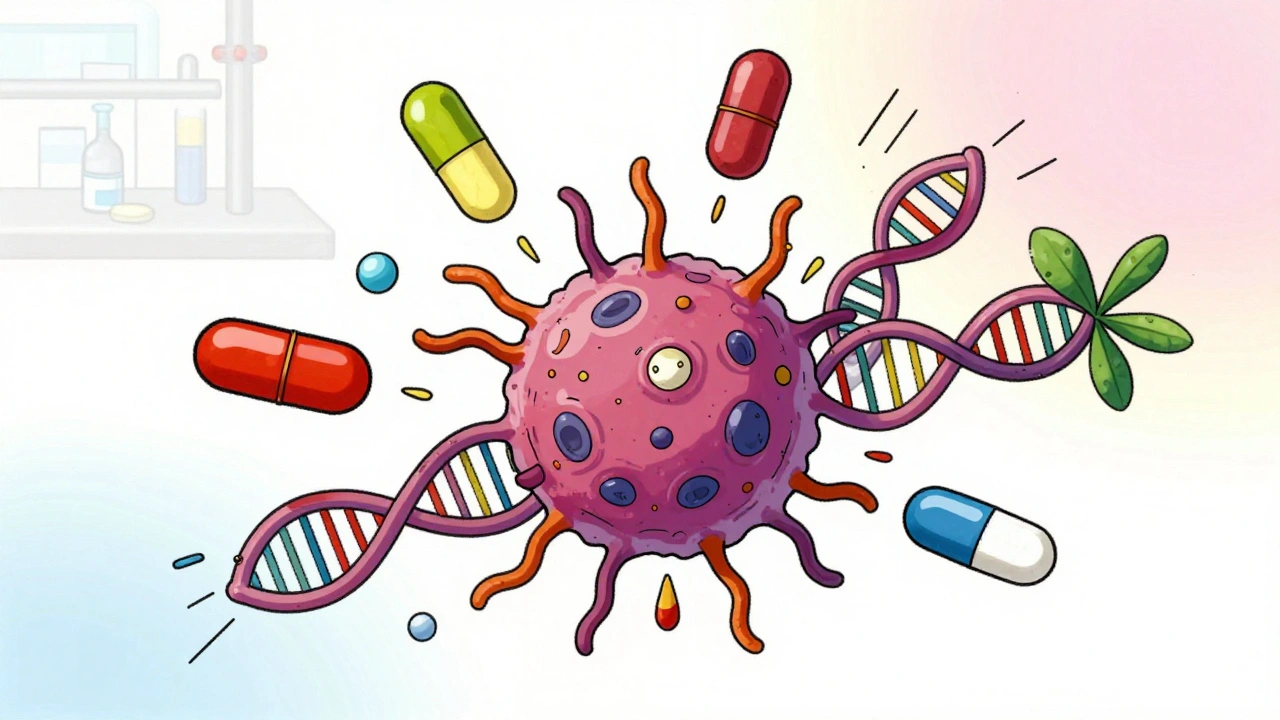
Chemotherapy isn't just one drug-it's a whole system of powerful medicines designed to kill cancer cells. It's been saving lives since the 1940s, when doctors first used a chemical from mustard gas to shrink a tumor. Today, over 100 different chemotherapy drugs are used worldwide, each with its own way of attacking cancer. But while these drugs are effective, they don’t just target cancer. They hit fast-growing healthy cells too-and that’s where the side effects come from.
How Chemotherapy Drugs Actually Work
Chemotherapy works because cancer cells divide faster than most normal cells. That’s their weakness-and their downfall. These drugs interfere with cell division at different points in the cycle. Some damage DNA directly. Others trick cells into building faulty DNA or RNA. Some stop the cell’s internal skeleton from forming, so the cell can’t split.
There are six main classes of chemotherapy drugs. Alkylating agents like cyclophosphamide stick chemical groups onto DNA, making it impossible for the cell to copy itself. Antimetabolites such as 5-fluorouracil mimic the building blocks of DNA and RNA. When the cell tries to use them, it gets stuck and dies. Anthracyclines like doxorubicin slip between DNA strands and block enzymes that repair breaks, causing massive damage. Plant alkaloids like vincristine and paclitaxel freeze the tiny structures (microtubules) that pull chromosomes apart during division. Topoisomerase inhibitors like etoposide prevent DNA from untangling, which is needed before a cell can divide. And then there are miscellaneous agents that don’t fit neatly into the other groups but still wreck cancer cells.
These drugs are chosen based on the type of cancer, how far it’s spread, and even the patient’s genetics. A breast cancer patient with HER2-positive tumors might get a targeted drug first, but if that fails, chemotherapy becomes the next step. For leukemia or lymphoma, chemo is still the first-line treatment in most cases. It’s also used before surgery to shrink tumors (neoadjuvant therapy) or after to kill leftover cells (adjuvant therapy). In metastatic cancer, where the disease has spread, chemotherapy is often the only option that can reach every part of the body.
How Chemotherapy Is Given
Most people think of chemotherapy as an IV drip-and they’re right. About 65% of treatments are given through a vein. But there are other ways. Some drugs come as pills you take at home, like capecitabine, which turns into 5-fluorouracil inside your body. Others are injected into the spinal fluid for brain or spinal cancers, or directly into the abdomen for ovarian cancer. A few are even delivered straight into an artery feeding a tumor.
Treatment isn’t continuous. It’s given in cycles-usually every 2 to 6 weeks. Why? Because your healthy cells need time to recover. A typical cycle might mean getting the drug on Day 1, then resting for 13 days before the next dose. Some regimens last longer-like 48 to 96 hours of continuous infusion. Dosing is calculated by body surface area (height and weight), not just weight alone. For example, paclitaxel for breast cancer is often given at 175 mg per square meter of body surface every three weeks.
Common Side Effects and Why They Happen
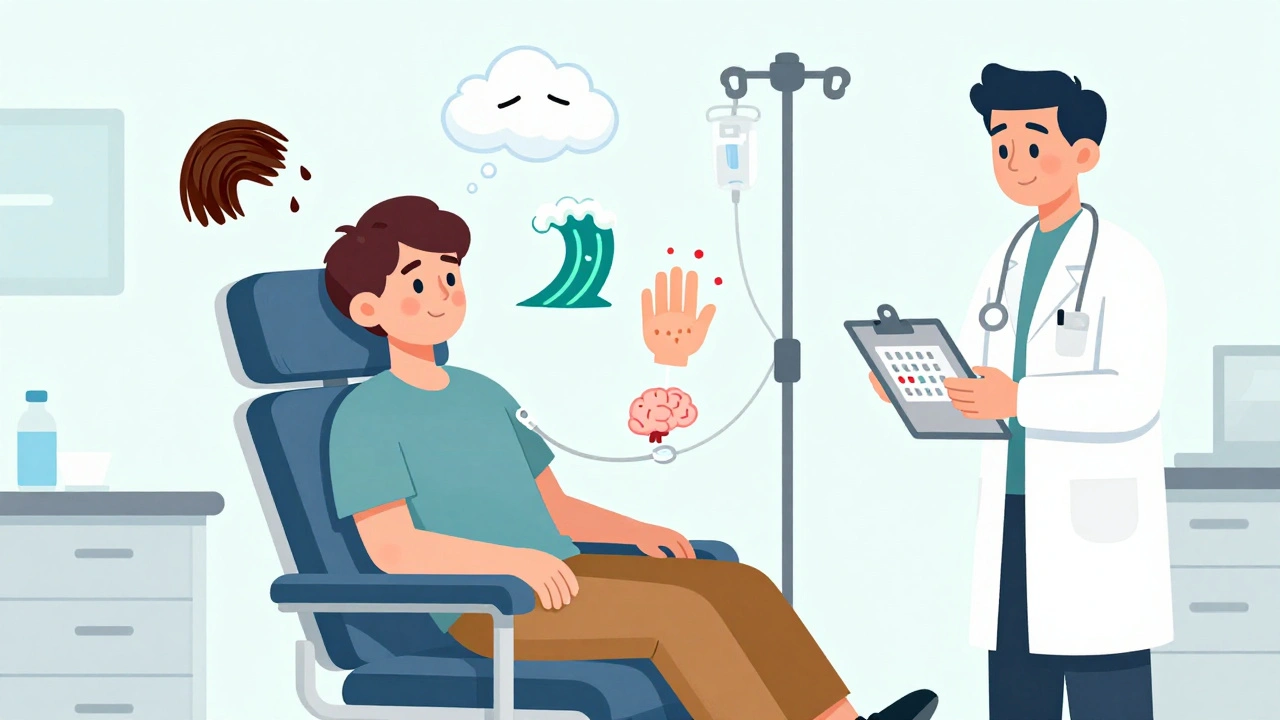
Chemotherapy doesn’t know the difference between a cancer cell and a hair follicle, a gut lining, or a blood stem cell. That’s why side effects are so common. They’re not random-they’re predictable based on which cells the drug targets.
Fatigue is the most reported side effect. Nearly 8 out of 10 patients say they feel exhausted. It’s not just being tired. It’s a deep, bone-weary exhaustion that doesn’t go away with sleep. Studies show that 30 minutes of moderate exercise daily-like walking or cycling-can cut fatigue by 25 to 30%.
Hair loss happens with many drugs, especially taxanes and anthracyclines. Around 78% of patients lose their hair. Scalp cooling caps have changed that for some. A 2022 trial found they reduce hair loss from 65% to 25% in breast cancer patients on taxane-based chemo. But they’re not perfect-they don’t work for everyone, and they’re not available everywhere.
Nausea and vomiting used to be unbearable. In the 1980s, 70 to 80% of patients on strong chemo got severe nausea. Today, thanks to drugs like ondansetron and aprepitant, that’s dropped to 10 to 20%. But delayed nausea-starting more than 24 hours after treatment-is still a problem. Only 32% of patients find today’s meds helpful for this kind of nausea.
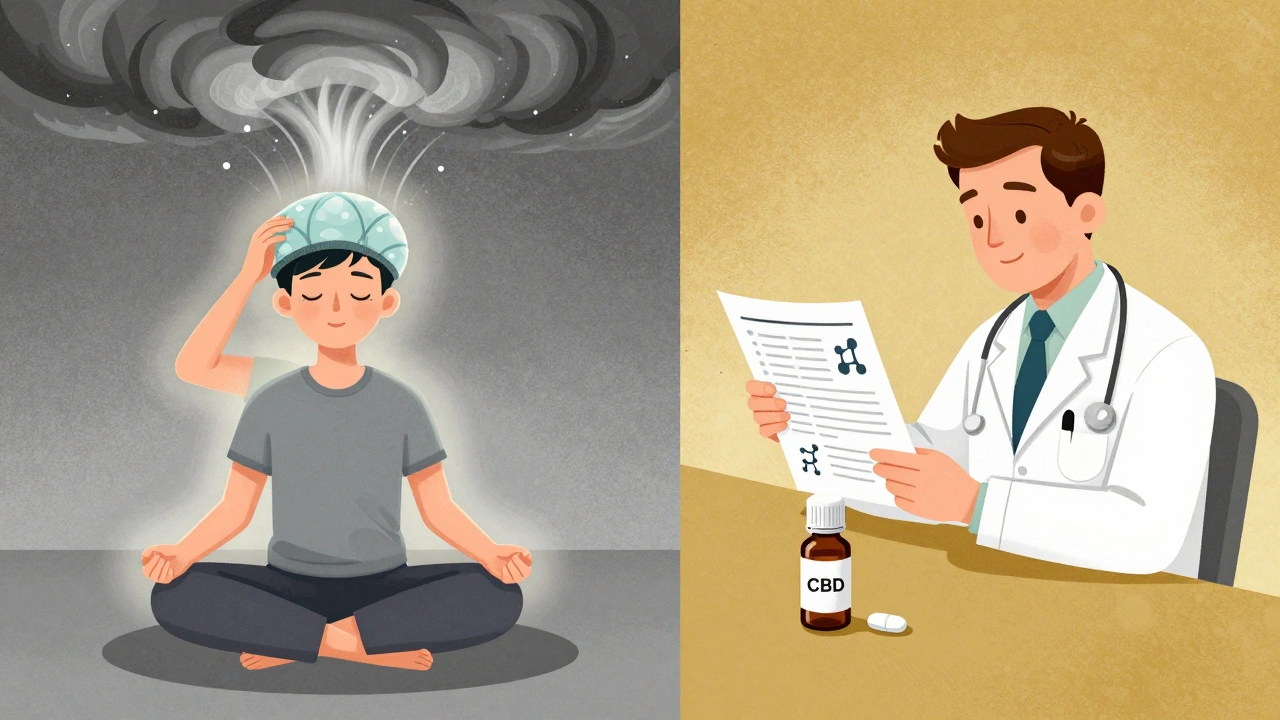
Neuropathy is tingling, numbness, or pain in hands and feet. It’s common with platinum drugs (like cisplatin) and taxanes. About one in three patients gets it. For 5 to 10%, the nerve damage is permanent. Doctors now tell patients to avoid cold things, wear gloves when handling objects, and report symptoms early. Some studies suggest CBD and THC blends can reduce neuropathic pain by over half.
Chemo brain is real. About 75% of patients report trouble focusing, remembering names, or multitasking during treatment. For 35%, it lasts at least six months after chemo ends. Meditation apps like Calm or Headspace, used for 20 minutes a day, have been shown to cut cognitive complaints by 40%. It’s not a cure, but it helps.
Low blood counts are dangerous. Chemo can crush your white blood cells, making you vulnerable to infection. A fever of 100.4°F or higher during chemo is a medical emergency. You need to call your doctor right away. Red blood cell loss causes anemia-feeling dizzy, pale, and winded. Platelet loss means you bruise easily or bleed longer. Blood transfusions and growth factors help, but they’re not always enough.
What’s New in Chemotherapy Care
Chemotherapy isn’t standing still. In 2023, the FDA approved trilaciclib (Cosela), the first drug designed to protect bone marrow during chemo. It’s used in small cell lung cancer to reduce the need for blood transfusions and growth factors.
Medical cannabis is getting more attention. A 2023 study found that CBD and THC blends reduced neuropathic pain by 55% in patients on chemo. While not yet standard, some oncologists are starting to recommend it for patients who don’t respond to traditional pain meds.
Doctors are also getting better at personalizing chemo. Genetic tests now help predict who’s likely to have severe side effects or who might respond better to certain drugs. This means fewer people get treatments that won’t help them-and more get ones that will.
Managing Side Effects: What Actually Works
There’s no magic bullet, but there are proven strategies.
- Drink 1 to 2 liters of water daily. Dehydration makes fatigue and nausea worse.
- Eat small, bland meals. Toast, bananas, rice, and applesauce are easier on the stomach than greasy or spicy foods.
- Move your body. Even a short walk helps with fatigue and mood.
- Use a cold cap if your treatment allows it. It’s not 100% effective, but it can save your hair.
- Try mindfulness. Ten to twenty minutes of meditation daily can improve focus and reduce anxiety.
- Report symptoms early. Tingling, numbness, or fever shouldn’t wait until your next appointment.
Some things don’t work. Taking vitamin D supplements to prevent neuropathy? The evidence is mixed. The American Society of Clinical Oncology says there’s not enough proof to recommend it. But if your levels are low, your doctor might still suggest it. It’s not harmful-it just might not help.
Where Chemotherapy Fits Today
Chemotherapy isn’t the future of cancer care. Targeted therapies and immunotherapies are taking over in some cancers. For example, in metastatic breast cancer with hormone receptors, targeted drugs are now first-line for 63% of patients.
But chemotherapy still holds the center. It’s used in 95% of ovarian cancer cases, 85% of colorectal cancers, and 70% of breast cancers. It’s the backbone for blood cancers like leukemia and lymphoma. Even in lung cancer, where targeted drugs are common, chemo is still used in combination with immunotherapy for patients without specific mutations.
Global use is growing. Over 6 million people in the U.S. alone get chemotherapy each year. The market is worth nearly $19 billion and will keep rising. Why? Because not every cancer has a targeted drug. And even when it does, chemo often works better when combined with it.
As one oncologist put it: "Chemotherapy isn’t the future-but it’s still essential right now." And with better supportive care, better scheduling, and smarter combinations, it’s getting safer and more effective every year.
Does chemotherapy always cause hair loss?
No. Not all chemotherapy drugs cause hair loss. Some, like capecitabine or temozolomide, rarely affect hair. Others, like doxorubicin or paclitaxel, almost always do. Scalp cooling caps can reduce hair loss by up to 60% in patients receiving taxane-based chemo, but they’re not effective for all drugs or all people.
Can you work while on chemotherapy?
Many people do, but it depends on the treatment, the job, and how your body responds. Fatigue and "chemo brain" are the biggest barriers. About 57% of working patients report that cognitive changes affect their job performance. Some adjust hours, work remotely, or take medical leave. Supportive care teams often help patients plan their work schedule around treatment cycles.
Is chemotherapy painful?
The infusion itself usually isn’t painful-unless the drug leaks outside the vein, which is rare. The pain comes later from side effects: nerve damage (neuropathy), mouth sores, or muscle aches. Some drugs cause burning sensations during injection, but nurses can adjust the drip rate or give medications to prevent it.
How do you know if chemotherapy is working?
Doctors use scans (CT, MRI, PET), blood tests, and tumor markers to track progress. In some cases, like breast cancer, they look for a "pathologic complete response"-meaning no cancer cells are found in the tumor after surgery. This is a strong sign the chemo worked. But sometimes, even if scans don’t show shrinkage, the treatment is still preventing growth or spread.
Can you drink alcohol during chemotherapy?
It’s usually best to avoid alcohol. It can worsen dehydration, interfere with liver processing of chemo drugs, and increase the risk of mouth sores or liver damage. Some medications, like methotrexate, are especially dangerous with alcohol. Always check with your oncologist-some may allow small amounts if your liver function is normal.
Are there long-term risks from chemotherapy?
Yes. Some drugs can damage the heart, lungs, or kidneys. Others increase the risk of secondary cancers, like leukemia, years later. The risk is small-usually less than 5%-but it’s higher with certain drugs like alkylating agents and topoisomerase inhibitors. Doctors weigh these risks against the benefit of treating the current cancer. Regular follow-ups help catch problems early.


Write a comment