
The Hidden Reason Your Medicine Isn't Working
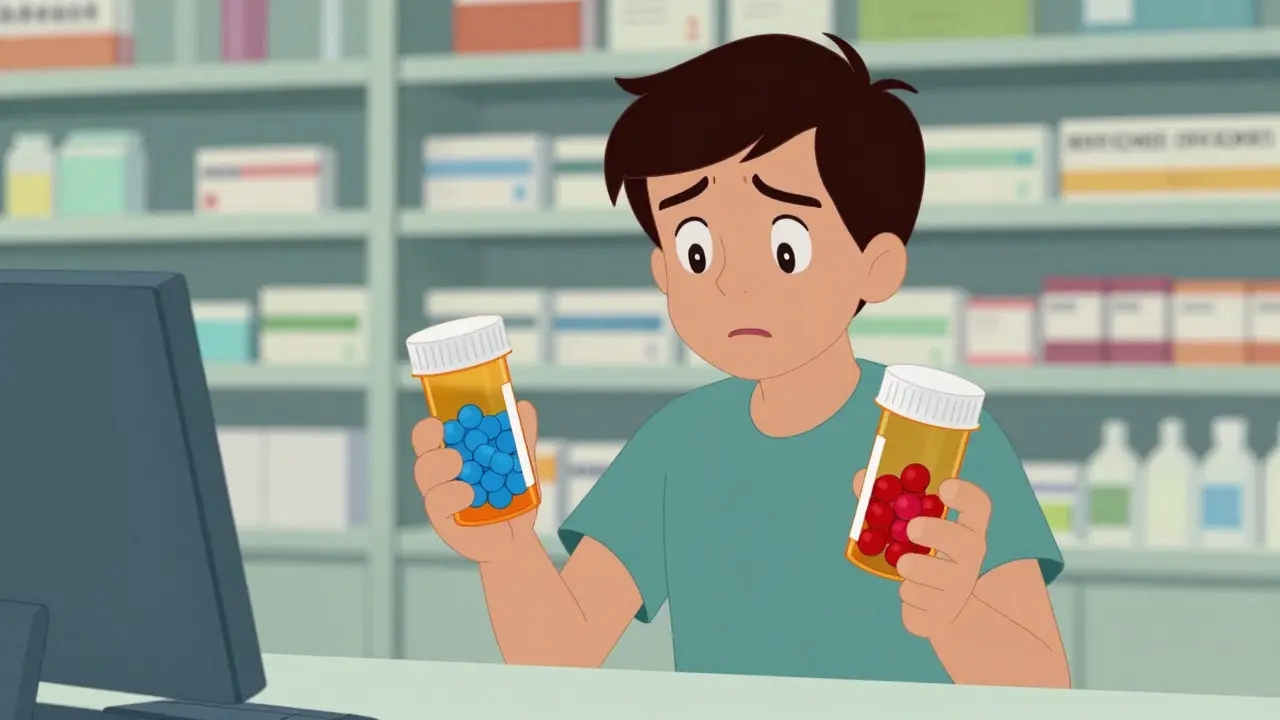
Imagine walking into a pharmacy to pick up your usual prescription. You've taken this exact drug for years without issues. But today, the bottle looks slightly different. The color of the tablet has changed. Within hours of taking it, your stomach feels upset, or you get a headache. It isn't that the active medicine stopped working; it is likely something else in the pill causing the problem. This experience confuses many people because we focus entirely on the active pharmaceutical ingredientthe chemical compound responsible for the therapeutic effect. However, the real culprit often hides in plain sight.
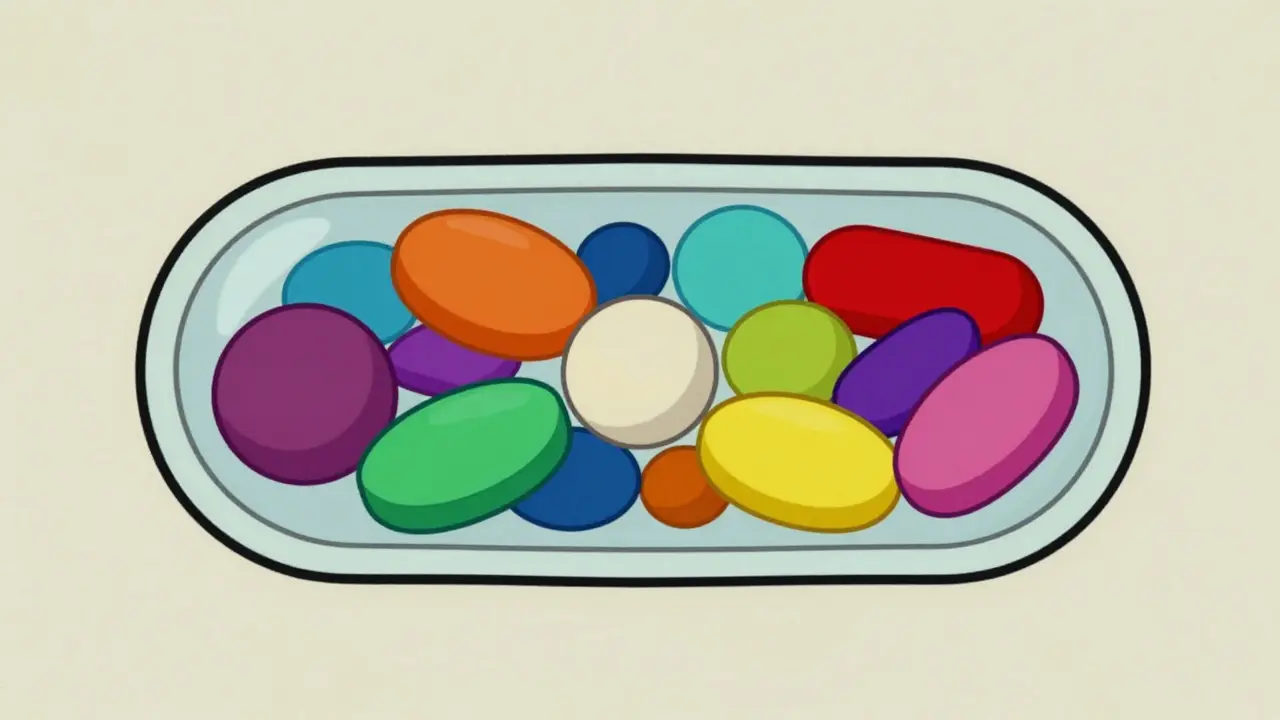
Inactive ingredients, professionally known as excipientssubstances added during manufacturing that aid production and stability rather than treatment, play a massive role in how your body tolerates a medication. While regulations require generic drugs to deliver the same medical benefit as brand-name versions, the supporting cast of chemicals can vary wildly between manufacturers. If you have ever switched pills and felt worse, you are not imagining it. Research shows nearly 90 percent of oral medications contain at least one inactive component capable of triggering adverse reactions in sensitive individuals.
What Actually Are Excipients?
To understand the problem, you first need to know what these substances are doing inside your pill. They are not just filler space. Excipients serve critical functions to make the medicine safe and usable. Without them, a powerful dose of medicine might crumble in your hand, dissolve too quickly, or taste undrinkably bitter. Manufacturers select these ingredients based on availability, cost, and manufacturing needs, which leads to variability across different generic batches.
Common roles for these ingredients include:
- Fillers: These provide bulk so the tablet can be handled easily. Lactosea sugar derived from milk used frequently in tablets is present in 40 to 60 percent of solid forms.
- Disintegrants: These help the tablet break apart in your stomach so the drug can absorb.
- Binders: These hold the powder together until it reaches your digestive system.
- Colorants: Synthetic dyes distinguish pills and sometimes mask bad tastes.
- PREServatives: These prevent bacterial growth in liquids or semi-solids.
While most people handle these components without issue, some bodies react strongly to specific compounds. For example, a person with lactose intolerance might tolerate one brand of medication perfectly but develop abdominal pain after switching to a cheaper generic version containing higher concentrations of lactose monohydrate. The therapeutic effect remains identical, but the safety profile shifts due to the vehicle delivering the drug.
Why Generics Vary Despite Strict Rules
A common misconception is that every generic pill is an exact carbon copy of the brand name product. That is not how the approval process works. Regulatory bodies like the Food and Drug AdministrationU.S. federal agency responsible for food and drug regulation require generic drugs to demonstrate bioequivalence. This means the drug must release the same amount of active ingredient into the bloodstream at roughly the same rate as the original brand.
However, the rules allow significant flexibility regarding inactive ingredients. As long as the active drug performs well within the acceptable range, manufacturers can change fillers, binders, and coloring agents freely. Data indicates that top prescribed oral medications have dozens of different formulations available from various suppliers. This variation creates a hidden risk. When a patient switches from Manufacturer A to Manufacturer B due to insurance formulary changes, they might unknowingly ingest a completely different mixture of non-active chemicals.
This discrepancy is why pharmacists receive frequent complaints about differences in how patients feel after changing suppliers. Studies suggest over 70 percent of pharmacists report patients claiming adverse effects linked to generic swaps. These reports highlight that bioequivalence does not guarantee identical patient tolerance. Two drugs can meet scientific standards while affecting individuals differently because their sensitivities lie outside the active ingredient spectrum.
Identifying the Common Culprits
Not all excipients are created equal when it comes to side effects. Some substances appear in hundreds of products and trigger specific symptoms in susceptible populations. Understanding these potential triggers empowers you to ask better questions during a refill consultation.
| Ingredient Type | Specific Examples | Typical Reaction Symptoms |
|---|---|---|
| Sugars/Fillers | Lactose, Sucrose, Mannitol | Bloating, gas, diarrhea (in intolerant users) |
| Dyes/Pigments | FD&C Blue #1, Yellow #5 (Tartrazine) | Behavioral changes, hives, asthma exacerbation |
| Lubricants | Magnesium Stearate, Talc | Potential absorption interference (rarely debated) |
| Preservatives | Parabens, Sulfites | Skin rashes, nasal congestion, asthma attacks |
Artificial dyes remain a major flashpoint. Food dye intolerance affects a noticeable portion of the population, yet colored pills are still the industry standard for identification. If you notice itching or flushing immediately after taking a medication, the pigment could be the cause rather than the cure. Similarly, sulfites used in liquid cough medicines can trigger severe asthma responses in those with sulfite sensitivity.

Practical Steps to Manage Sensitivity Issues
If you suspect inactive ingredients are affecting your health, taking action requires a systematic approach. Randomly stopping medication is never the answer, but documenting patterns helps. Many people do not realize they can request specific generic manufacturers. Most pharmacies stock several suppliers for common drugs. By asking for a specific manufacturer code on the label, you can find a version that works for you.
Here is a practical checklist to follow:
- Track Symptoms: Keep a log noting exactly when symptoms start relative to when you take the pill.
- Check the Label: Look for "Inactive Ingredients" sections on the medication guide. Compare multiple bottles if possible.
- Consult Your Pharmacist: Ask them to access the Inactive Ingredient Databaseregulatory tool listing approved excipients in registered drugs (IID) for specific formulation details.
- Request Alternatives: Ask your prescriber if a different salt form or liquid option exists without the offending agent.
- Document Reactions: Inform your doctor so future prescriptions can avoid the problematic substance.
Pharmacies increasingly maintain internal databases linking patient profiles to excipient alerts. With the FDA planning stricter disclosure requirements by 2025, electronic prescribing systems will eventually flag potential conflicts automatically. Until then, proactive communication remains your best tool. Do not assume all generics are the same. Knowing which specific chemical caused the reaction allows your healthcare team to eliminate that variable permanently.
Looking Ahead: Regulation and Safety
The pharmaceutical landscape is shifting toward greater transparency. Industry leaders acknowledge that assuming inert ingredients are universally safe is flawed. Researchers have developed AI tools to predict individual tolerance based on genetic markers, though widespread clinical use is still emerging. The goal is moving toward personalized excipient profiles where doctors select formulas matching the patient's unique sensitivities.
While we wait for these technologies to mature, understanding the difference between brand and generic composition protects your health. Cost savings from generics are vital, but they should not come at the expense of tolerability. By learning to read beyond the active drug name, you regain control over your own physical response to treatment.
Do all generic drugs contain the same inactive ingredients?
No. While regulations require the active drug to be the same, manufacturers can use different excipients like fillers, binders, and dyes. One generic manufacturer might use lactose while another uses mannitol, leading to different tolerance levels.
Can a generic drug cause an allergic reaction?
Yes. Allergic reactions are often triggered by the inactive components rather than the therapeutic drug itself. Common allergens include dyes, sulfites, or lactose found in the formulation.
How can I find out what is in my generic medication?
Your pharmacist can check the medication guide or use databases like the FDA's Inactive Ingredient Database (IID). You may also ask the manufacturer directly or look at the package insert included with the prescription bottle.
Is it safe to switch between generic brands?
Generally yes, but sensitive individuals may experience side effects when switching. If you notice new symptoms after a refill, inform your pharmacist immediately to see if the supplier changed.
Are brand-name drugs always safer regarding ingredients?
Brand names offer consistency in formulation, but they are not immune to containing allergens. Some brands may actually contain less suitable ingredients depending on the specific formula compared to a compatible alternative generic.