
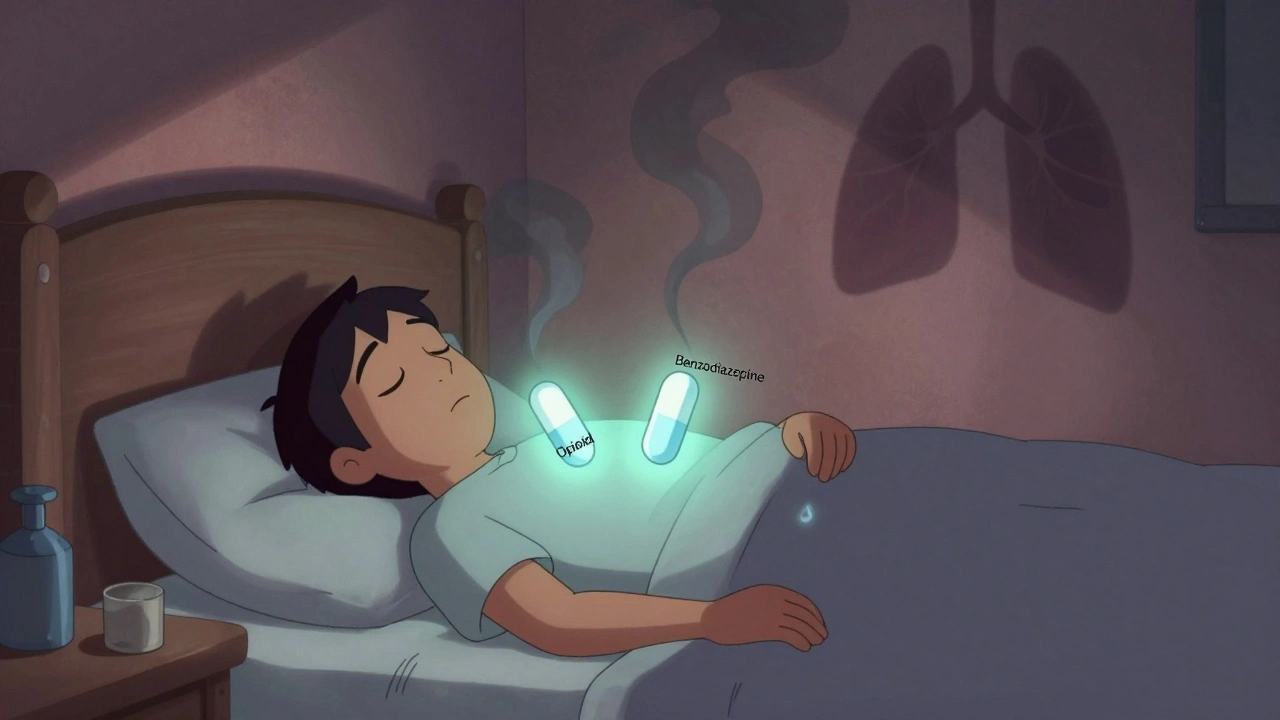
When opioids and benzodiazepines are taken together, the risk of stopping breathing doesn’t just go up-it multiplies. This isn’t a theoretical concern. It’s a deadly reality that has killed thousands of people in the U.S. alone, and the numbers are still climbing in many parts of the world. Both drugs slow down your brain’s command to breathe. Alone, they’re risky. Together, they’re a silent killer.
Why This Combination Is So Dangerous
Opioids like oxycodone, hydrocodone, fentanyl, and methadone work by binding to mu-opioid receptors in the brainstem-the part that controls breathing. Benzodiazepines like alprazolam, lorazepam, and diazepam boost the effect of GABA, a calming neurotransmitter that also suppresses the brain’s drive to breathe. Neither drug alone is guaranteed to stop your breathing, especially in healthy adults. But when they’re combined, they don’t just add up-they synergize. The result? A much deeper, more dangerous suppression of respiratory function than either drug could cause on its own. Studies show that people taking both drugs are up to 10 times more likely to die from an overdose than those taking opioids alone. In 2020, 16% of opioid-related overdose deaths in the U.S. involved benzodiazepines. That’s more than 160 people every single day. And it’s not just recreational use-this happens in medical settings too. Patients with chronic pain, anxiety, or insomnia are often prescribed both drugs without realizing how dangerous the mix can be.How the Body Reacts When Both Drugs Are in the System
The danger doesn’t always show up right away. You might feel sleepy, dizzy, or foggy-but those symptoms can be mistaken for normal side effects. The real threat comes when you’re asleep or resting. Your body’s natural response to low oxygen or high carbon dioxide levels gets blunted. Normally, your brain detects rising CO2 and tells you to breathe faster. With opioids and benzodiazepines together, that alarm system shuts down. One study found that 85% of healthy volunteers given both drugs experienced oxygen levels dropping below 90%-a level that can cause organ damage over time. Only 45% had that drop with opioids alone. And in patients with sleep apnea or lung disease, the risk is even higher. Even small doses can become fatal when combined. A person who’s been taking opioids for years and thinks they’ve built up tolerance? That doesn’t protect them from benzodiazepines. Their body may tolerate the opioid, but not the added respiratory suppression from the benzo.Pharmacokinetic Risks: When One Drug Makes the Other Stronger
It’s not just about the combined effect on breathing. Some benzodiazepines, like alprazolam and midazolam, can interfere with how your liver breaks down certain opioids. Drugs like fentanyl, oxycodone, and methadone are processed by an enzyme called CYP3A4. When benzodiazepines that inhibit this enzyme are added, opioid levels in the blood can spike unexpectedly. This means a dose that was safe yesterday could become lethal today. This is especially dangerous with extended-release opioids. A patient might take one pill a day, thinking it’s slow and steady. But if a benzo blocks the liver’s ability to clear it, that pill can linger longer and build up in the system. The result? A sudden, unexplained overdose-even if the patient hasn’t taken more than prescribed.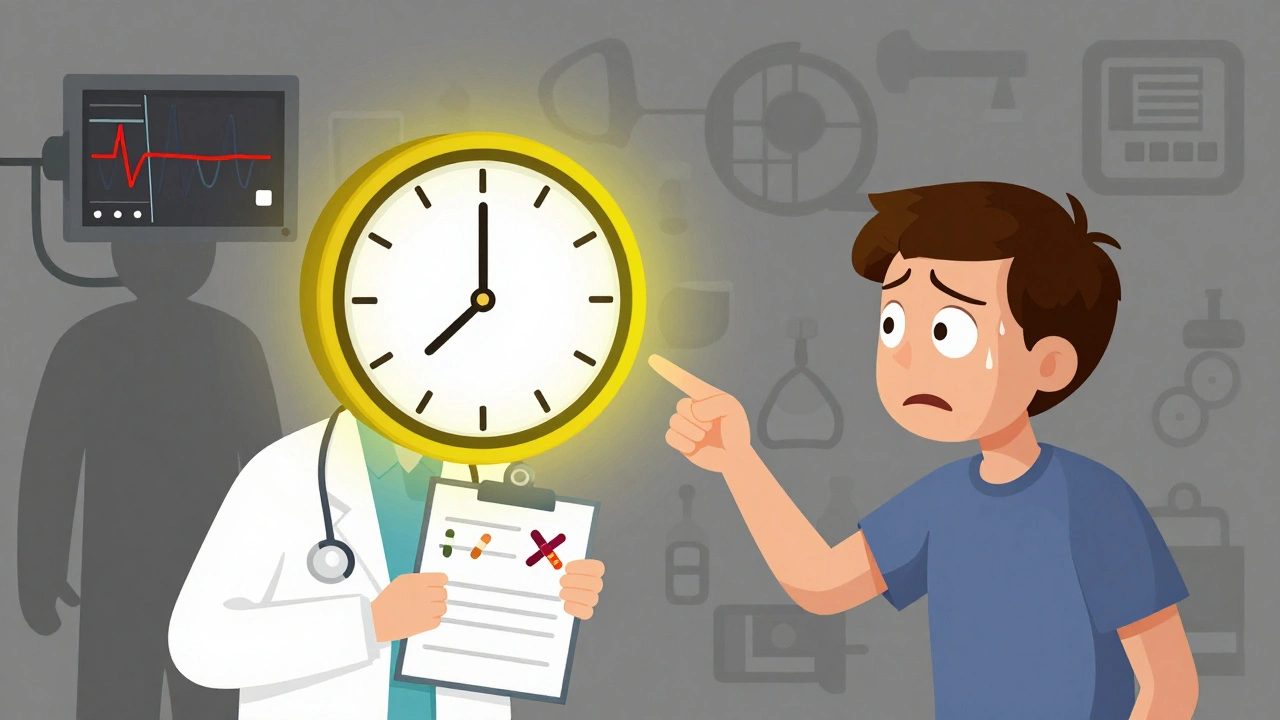
Who’s Most at Risk
Older adults are especially vulnerable. The American Geriatrics Society lists this combination as a “potentially inappropriate medication” for people over 65. Why? Their bodies process drugs slower. Their lungs are less resilient. Their brain’s response to low oxygen is weaker. A 70-year-old with arthritis and anxiety might be prescribed oxycodone and lorazepam-two common, legal prescriptions. But together, they’re a ticking time bomb. People with sleep apnea, COPD, or other breathing disorders are also at extreme risk. Even if they’re not overdosing, the combination can worsen nighttime breathing pauses, leading to chronic low oxygen, heart strain, and sudden death during sleep. And it’s not just the elderly. Younger people with chronic pain, PTSD, or opioid use disorder are often prescribed benzodiazepines for anxiety or insomnia. Without proper warning, they don’t realize they’re playing Russian roulette with their breathing.What the Experts Say
The U.S. Food and Drug Administration (FDA) issued its first warning about this combination in 2016. By 2019, they strengthened it to a Boxed Warning-the strongest type of alert on prescription labels. The message was clear: Combining these drugs can cause extreme drowsiness, slowed or stopped breathing, coma, or death. The CDC’s 2022 Clinical Practice Guideline for Prescribing Opioids for Pain says this outright: Avoid prescribing benzodiazepines concurrently with opioids whenever possible. The FDA also advises doctors to prescribe the lowest possible dose of the benzodiazepine if the combination is absolutely necessary-and to monitor patients closely for signs of sedation and breathing trouble. They specifically warn against using opioid cough medicines in patients already taking benzodiazepines.Signs of Overdose You Can’t Ignore
If someone is taking both drugs, watch for these warning signs:- Extreme drowsiness or inability to stay awake
- Slow, shallow, or irregular breathing
- Blue lips or fingernails
- Confusion, slurred speech, or unresponsiveness
- Pinpoint pupils
- Unconsciousness or inability to wake up

What to Do If You’re Taking Both
If you’re currently prescribed both opioids and benzodiazepines, don’t stop suddenly. Abruptly quitting either drug can cause seizures (with benzos) or severe withdrawal symptoms (with opioids). But you also shouldn’t keep taking them together without a plan. Talk to your doctor about:- Whether the benzodiazepine is truly necessary
- Alternative treatments for anxiety or insomnia-like CBT, melatonin, or non-benzodiazepine sleep aids
- Switching to an opioid that doesn’t interact with CYP3A4
- A gradual tapering plan for one or both drugs
How Doctors Are Trying to Stop This
Hospitals and clinics are starting to use electronic alerts in their prescribing systems. A 2022 study found that when EHR systems flagged dangerous opioid-benzo combinations, inappropriate prescribing dropped by nearly 28%. That’s a win. The CDC funded research at UC Davis in 2022 to better understand who’s most at risk and why. Some doctors are now using risk-scoring tools to identify patients who shouldn’t get this combo at all. In palliative care, where pain and anxiety are severe, the balance is different. For terminally ill patients, the benefits of comfort may outweigh the risks-but even then, doses are kept as low as possible, and monitoring is continuous.What You Can Do Right Now
- Ask your doctor: “Is it safe for me to take this opioid with my benzo?” - Check your pill bottles: Look for the FDA’s Boxed Warning on both medications. - Tell your pharmacist: If you’re filling both prescriptions, ask if they’ve flagged a dangerous interaction. - Teach someone close to you: Show them the signs of overdose. Keep naloxone on hand if you’re on opioids. - Never mix with alcohol: Alcohol makes this interaction even deadlier. This isn’t about fear. It’s about awareness. Millions of people are taking these drugs safely-when they’re used alone. But together? The risk isn’t just higher. It’s catastrophic. You don’t need to be a drug user to be at risk. You just need to be prescribed both.If you’re on opioids and benzodiazepines, your breathing is already on thin ice. Don’t wait for a crisis to realize how fragile it is.


Write a comment