

When a senior experiences chronic pain-whether from arthritis, nerve damage, or cancer-it’s tempting to reach for opioids. They work. But for people over 65, these drugs aren’t just another pill. They come with risks that change with age: slower metabolism, weaker kidneys, more medications, and a brain that reacts differently. The goal isn’t to avoid opioids entirely. It’s to use them safely, with care, and only when truly needed.
Why Seniors Need Special Consideration
Age isn’t just a number when it comes to opioids. A 70-year-old doesn’t process drugs the same way a 40-year-old does. Liver and kidney function decline, meaning opioids stay in the body longer. Body fat increases and muscle mass decreases, changing how drugs are absorbed and distributed. Even small doses can build up and cause dizziness, confusion, or breathing problems.
Most seniors take multiple medications. A 2023 study found that over 60% of adults over 70 use five or more prescription drugs daily. When opioids mix with sleep aids, antidepressants, or blood pressure pills, the risk of dangerous interactions rises sharply. Sedation can lead to falls. Confusion can be mistaken for dementia. And in the worst cases, breathing slows to a dangerous level.
What the Latest Guidelines Say
In 2016, the CDC released opioid guidelines meant to curb overprescribing. But they were applied too broadly-even to seniors with cancer or terminal illness. The result? Many older patients were left in pain because doctors feared prescribing even low doses.
In November 2022, the CDC corrected course. Their updated guidelines now clearly state: opioids remain the first-line treatment for moderate to severe cancer pain in older adults. They also warned against rigid dose limits. A 40-milligram morphine equivalent (MME) cap might be safe for one person and deadly for another. What matters is the individual.
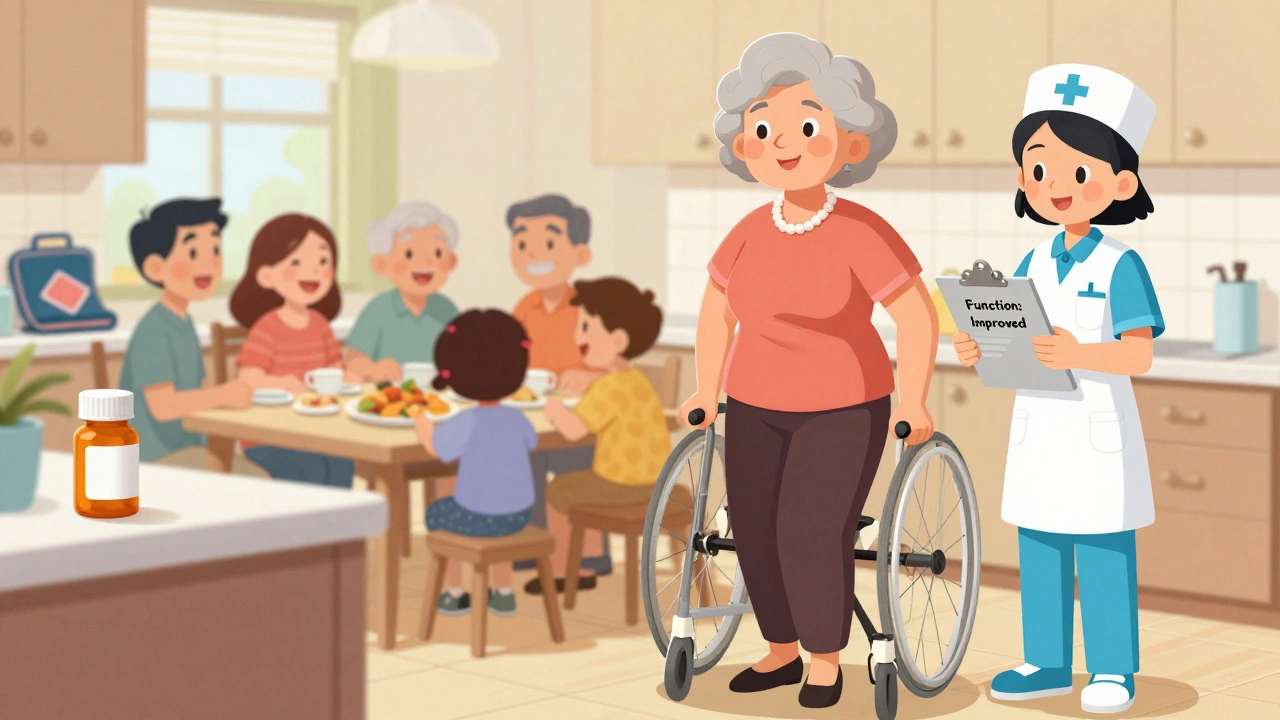
The American Geriatrics Society and the Medical Board of California now stress personalized care. Treatment should be based on the patient’s function, not just their pain score. Can they walk to the bathroom? Eat without help? Sleep through the night? Those are the real goals.
Which Opioids Are Safer for Seniors?
Not all opioids are created equal for older adults. Here’s what the evidence shows:
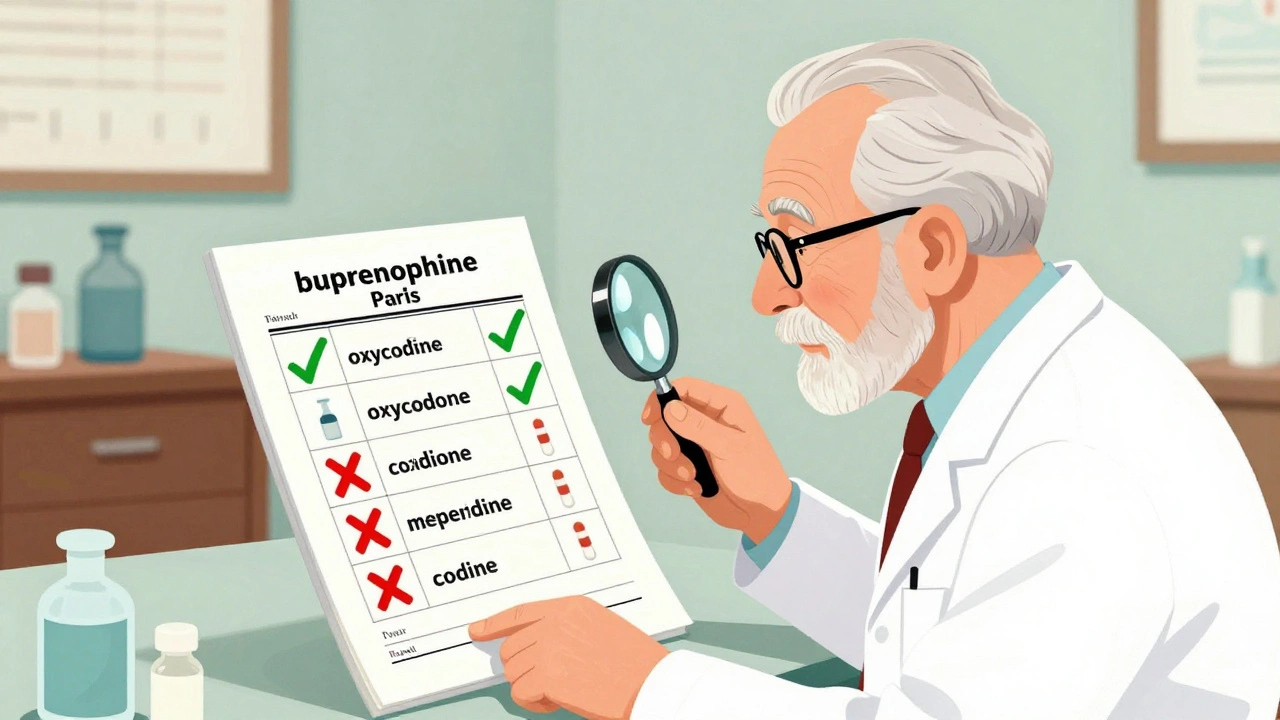
- Buprenorphine (transdermal patch or buccal film): A top choice. It’s a partial opioid agonist, meaning it has a ceiling effect-less risk of overdose. Studies show it causes fewer constipation issues and no central nervous system side effects when used with low-dose oxycodone.
- Oxycodone (immediate-release): Often the starting point. Start at 2.5 mg every 6 hours. Avoid long-acting versions until tolerance is established.
- Morphine: Still used, but requires caution. Start at 7.5 mg every 6 hours. Avoid if kidney function is poor.
- Hydromorphone: Potent. Use only if other options fail. Requires even lower starting doses.
- Tramadol and Tapentadol: Avoid unless necessary. Both increase serotonin levels, raising the risk of serotonin syndrome when combined with antidepressants.
- Meperidine and Codeine: Never use. Meperidine breaks down into a toxin that causes seizures. Codeine is metabolized unpredictably in older adults, leading to dangerous overdose.
Transdermal patches (like fentanyl) are risky for opioid-naïve seniors. They deliver medication slowly, but if someone’s metabolism slows unexpectedly, the dose keeps building. Always start with oral, short-acting forms.
Dosing: Start Low, Go Slow
The rule for seniors: Start at 30-50% of the standard adult dose. That means:
- Oxycodone: 2.5 mg every 6 hours, not 5 mg
- Morphine: 7.5 mg every 6 hours, not 15 mg
- Hydromorphone: 0.5 mg every 6 hours, not 1 mg
Wait at least 48 hours between dose increases. Why? Because it takes time for the drug to reach steady levels in an older body. Rushing leads to overdose. If the patient is frail or over 80, start even lower-sometimes half of a pill, crushed and mixed in applesauce for easier swallowing.
Never use long-acting opioids (like extended-release oxycodone or fentanyl patches) as a first step. They’re for patients who’ve already stabilized on short-acting versions.
What to Avoid
Some medications are outright dangerous for seniors:
- Meperidine: Causes seizures due to toxic metabolites.
- Codeine: Ineffective or dangerous due to variable metabolism.
- Long-term NSAIDs: Increase risk of stomach bleeding, kidney failure, and heart problems. Use only for short bursts-no more than 1-2 weeks.
- Gabapentinoids (gabapentin, pregabalin): Often prescribed as alternatives, but studies show they offer little pain relief and cause dizziness and confusion in older adults.
- Acetaminophen combinations: Many opioids come with acetaminophen (like oxycodone/acetaminophen). Max daily dose for seniors is 3 grams. For frail patients over 80 or those who drink alcohol, cut it to 2 grams.
Monitoring: It’s Not Optional
Starting an opioid isn’t the end of the story. It’s the beginning of close monitoring. Every senior on opioids needs regular check-ins:
- Every 2-4 weeks: Assess pain level, function, side effects. Ask: Can they get out of bed? Do they feel clear-headed? Are they constipated?
- Respiratory checks: Especially if they have sleep apnea or COPD. Look for shallow breathing or excessive drowsiness.
- Fall risk assessment: Opioids increase dizziness. Use a simple test: Can they stand on one foot for 5 seconds?
- Constipation management: It’s almost universal. Start stool softeners and laxatives from day one. Don’t wait until they’re backed up.
- Urine drug screening: Required if therapy lasts more than 3 months. Checks for misuse or undisclosed medications.
- Cognitive screening: Watch for sudden confusion. It could be opioid-induced delirium, not dementia.
Document everything. Not just pain scores. Functional changes. Mood. Sleep. Bowel habits. This isn’t paperwork-it’s protection. For the patient and the provider.
Non-Opioid Options Still Matter
Opioids aren’t the only tool. In fact, they should be the last resort after trying these:
- Physical therapy: Strengthens muscles, improves mobility, reduces pain long-term.
- Cognitive behavioral therapy (CBT): Helps change how the brain processes pain signals.
- Topical capsaicin or lidocaine: Good for localized joint or nerve pain.
- Acupuncture: Shown in multiple studies to reduce chronic pain in seniors with minimal side effects.
- Nerve blocks or neuromodulation: Emerging options for targeted relief without systemic drugs.
These aren’t “alternatives.” They’re part of the plan. The best outcomes come from combining approaches.
The Bigger Picture: Pain Is Real, But So Are the Risks
Too many seniors suffer in silence because doctors are afraid to prescribe. Too many others get overdosed because protocols are applied like checklists. The truth lies in the middle.
For a 78-year-old with advanced hip arthritis who can’t walk without pain, a low dose of oxycodone might restore their independence. For an 85-year-old with dementia and mild back pain, a warm compress and physical therapy may be enough.
There’s no one-size-fits-all. What works for one person could harm another. The key is to treat each senior as an individual-with respect, caution, and clear communication.
Ask them: What do you want to be able to do? Walk to the garden? Sit with your grandkids? Sleep without pain? Let those goals guide the treatment-not a number on a guideline.
When to Stop
Not every senior needs opioids forever. If pain improves with therapy, if side effects outweigh benefits, or if functional goals are met, tapering off is the right move. Never stop abruptly. Reduce by 10-25% every 3-7 days, depending on tolerance. Watch for withdrawal: anxiety, sweating, nausea. Support with non-opioid tools during the process.
And if the patient’s condition changes-say, they develop kidney failure or start a new medication-reassess immediately. Opioid therapy isn’t set in stone. It’s a living plan.
Are opioids safe for seniors with cancer pain?
Yes, opioids are the recommended first-line treatment for moderate to severe cancer pain in seniors. The CDC’s 2022 update specifically corrected earlier guidelines that wrongly restricted opioids for cancer patients. Studies show about 75% of older adults with cancer experience significant pain relief with appropriate opioid use. The key is starting low and monitoring closely.
What’s the safest opioid for an 80-year-old with arthritis?
For most seniors with arthritis, low-dose oxycodone immediate-release (2.5 mg every 6 hours) is a good starting point. Buprenorphine patches are also a strong option due to lower risk of constipation and no central nervous system side effects. Avoid long-acting forms, tramadol, and any drug with acetaminophen unless carefully monitored.
Can seniors take opioids with other medications?
It depends. Opioids can dangerously interact with benzodiazepines, antidepressants, sleep aids, and even some heart medications. Always review all medications with a pharmacist or geriatrician. Avoid combining opioids with tramadol, tapentadol, or gabapentinoids unless absolutely necessary and under close supervision.
How often should seniors on opioids be checked?
Every 2 to 4 weeks for the first 3 months. After that, every 3 months if stable. Each visit should include pain assessment, functional status check, side effect review, and fall risk screening. Urine drug screening is required after 3 months of therapy.
What should I do if my elderly parent seems confused on opioids?
Confusion in seniors on opioids could be opioid-induced delirium. Stop the opioid immediately and contact their doctor. Do not wait. Delirium can be reversed if caught early. The doctor may reduce the dose, switch to a different opioid, or explore non-opioid alternatives. Never assume it’s just aging.
Is it okay to crush opioid pills for seniors who have trouble swallowing?
Only if the pill is labeled as crushable. Extended-release tablets or patches should never be crushed-they can release a full, dangerous dose all at once. Immediate-release tablets like oxycodone 5 mg can be crushed and mixed with applesauce or pudding. Always check with the pharmacist first.


Write a comment