

Imagine standing backstage before a presentation. Your heart pounds like a drum. Your hands shake so badly you can’t hold your notes. Your voice cracks before you even say hello. You’re not nervous-you’re trapped in a body that won’t listen to you. This isn’t just stage fright. For over 12% of adults in the U.S., this is everyday life with social anxiety disorder.
What Social Anxiety Disorder Really Feels Like
Social anxiety disorder isn’t shyness. It’s a persistent, overwhelming fear of being judged, embarrassed, or humiliated in social situations. It’s not about disliking parties or avoiding small talk. It’s about the terror that your heartbeat will betray you, your voice will tremble, or your sweat will stain your shirt in front of coworkers, classmates, or even strangers at the grocery store. People with this condition often avoid speaking up in meetings, skip social gatherings, or turn down promotions because they can’t handle the spotlight. The fear isn’t irrational-it’s visceral. Your body reacts as if you’re being chased by a predator, even when there’s no real danger. And here’s the cruel twist: the more you try to hide your anxiety, the more it controls you. You rehearse conversations in your head. You avoid eye contact. You cancel plans last minute. Over time, isolation becomes the norm. The disorder doesn’t just affect how you feel-it reshapes your entire life.Beta-Blockers: The Quick Fix for Physical Symptoms
Enter beta-blockers. Not a cure. Not a magic pill. But a tool that can silence the physical noise when you need it most. Propranolol, the most common beta-blocker used for anxiety, works by blocking adrenaline. It doesn’t touch your thoughts. It doesn’t calm your mind. But it does stop your heart from racing, your hands from shaking, and your voice from cracking. For many, that’s enough to walk into the room. Doses typically range from 10mg to 40mg, taken 60 to 90 minutes before the event. Effects kick in within 30 minutes and last about 3 to 4 hours. That’s perfect for a job interview, a wedding toast, or a musical performance. A 2023 study of professional musicians found propranolol reduced hand tremors by 30-40%. One violinist, after three failed auditions, finally passed on the fourth-thanks to 20mg of propranolol. Unlike benzodiazepines, beta-blockers don’t cause drowsiness or dependence. They don’t alter your mood. You’re still you-just without the physical chaos. But here’s the catch: they don’t help with the fear itself. If you’re terrified of being judged, propranolol won’t change that thought. It just stops your body from screaming it out loud.Why Beta-Blockers Aren’t Enough
The data is clear: beta-blockers work well for specific, time-limited events-but not for chronic social anxiety. A 2023 meta-analysis of 10 studies found no significant benefit for people with generalized social phobia. If your fear isn’t tied to a single event-it’s constant, daily, and everywhere-beta-blockers won’t help. One Reddit user summed it up: “It helped me give my wedding speech. But it did nothing for my fear of team meetings.” They’re also not for everyone. People with asthma, low blood pressure, or certain heart conditions should avoid them. Diabetics need to be careful-beta-blockers can hide the warning signs of low blood sugar. Side effects like fatigue, dizziness, and cold hands are common. For a pianist, cold fingers mean lost dexterity. For a runner, fatigue means lost momentum. And cost? It’s cheap. Generic propranolol runs $4-$10 per dose. Insurance covers it. But access to the right guidance? That’s the problem. Most doctors don’t know how to use beta-blockers for anxiety. The FDA never approved them for it. There’s no official protocol. Clinicians rely on scattered studies and anecdotal experience.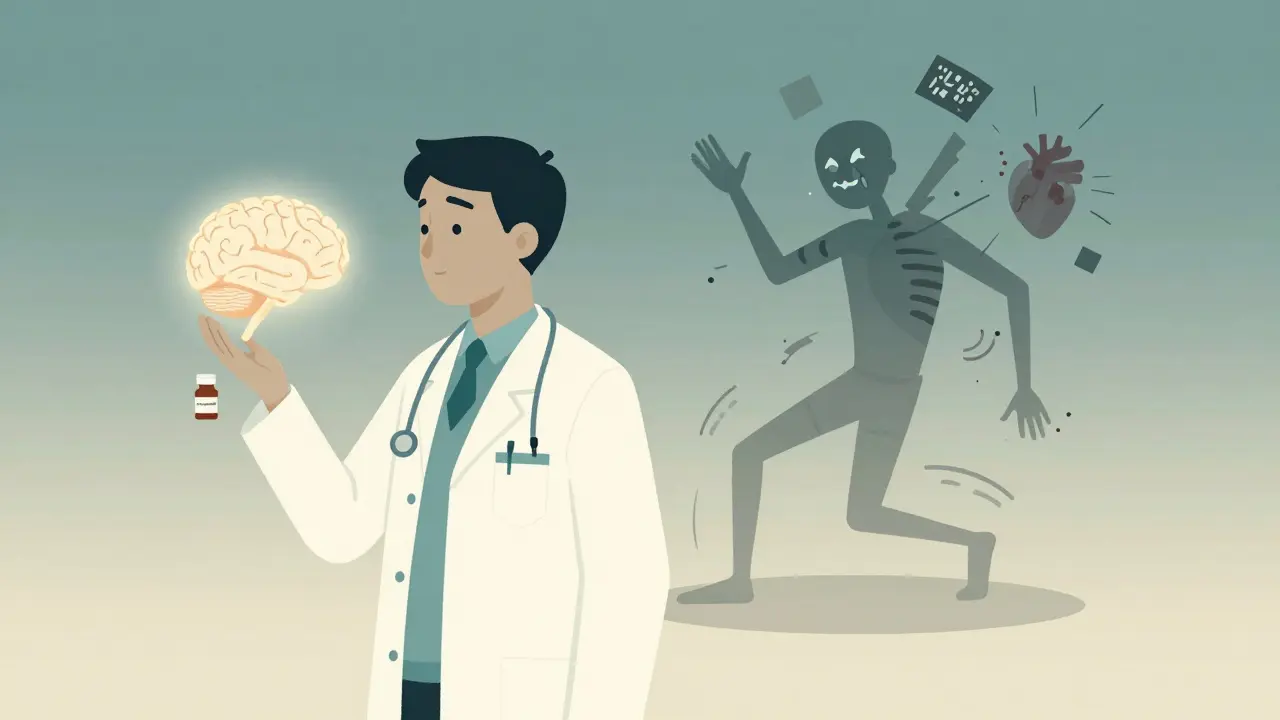
Behavioral Therapy: The Real Long-Term Fix
If beta-blockers silence the body, cognitive behavioral therapy (CBT) rewires the mind. CBT for social anxiety isn’t about talking through your feelings. It’s about exposure. Gradual, controlled, repeated exposure to the situations you fear. A typical CBT program lasts 12 to 16 weeks. Each session, you do something you’ve been avoiding: speaking up in a group, making small talk with a stranger, ordering coffee without rehearsing your words. You learn to sit with discomfort instead of running from it. And it works. Studies show 50-60% of people with social anxiety disorder reach remission after CBT. That’s not improvement. That’s recovery. You stop avoiding. You stop fearing. You stop letting anxiety run your life. Unlike medication, the effects last. Once you learn to handle fear, you don’t need a pill to do it again. Digital CBT platforms like Woebot Health have made this even more accessible. A 2023 study found a 52% remission rate using an app-based CBT program. No waiting months for a therapist. No $150 sessions. Just structured, evidence-based practice from your phone.The Best of Both Worlds
The most powerful approach isn’t beta-blockers or CBT. It’s beta-blockers and CBT. Think of propranolol as a safety net. It takes the edge off the physical panic so you can actually do the hard work of therapy. If your heart is pounding so hard you can’t focus, you can’t learn. If your hands are shaking so badly you drop your notes, you won’t speak up. But if you take propranolol before a CBT exposure exercise, you can actually show up. One psychiatrist put it simply: “Beta-blockers give you the physical stability to attend feared situations-so the real work of therapy can happen.” A 2023 case study followed a marketing executive who avoided public speaking for years. She started CBT but couldn’t get through the first exposure: presenting to her team. She took 20mg of propranolol. Her hands steadied. Her voice didn’t crack. She spoke. She survived. And she did it again the next week. Without the pill, she would have quit. With it, she rebuilt her confidence.
Who Should Use What?
Not everyone needs both. Here’s how to decide:- If you have occasional, predictable anxiety-like giving a speech, performing on stage, or attending a wedding-beta-blockers alone might be enough.
- If your fear is constant, affects your job, relationships, or daily life, CBT is your best shot at real change.
- If you’ve tried CBT but keep freezing up because your body betrays you, try combining it with propranolol for your hardest exposure sessions.
The Future of Treatment
There’s growing pressure to prove beta-blockers really work for performance anxiety. The National Institute of Mental Health is launching a $2.3 million trial in 2024 to test propranolol against placebo in 300 people. Results could finally give doctors clear guidelines. Meanwhile, new treatments are on the horizon. Brexanolone derivatives, currently in Phase III trials, promise rapid relief without the side effects of current drugs. But they’re years away. For now, the most effective, proven path remains: CBT as the foundation, beta-blockers as a temporary aid for specific moments. The goal isn’t to never feel anxious. It’s to feel anxious-and still speak up, still show up, still live.Frequently Asked Questions
Can beta-blockers cure social anxiety disorder?
No. Beta-blockers like propranolol only reduce physical symptoms like rapid heartbeat and shaking. They don’t change the thoughts or fears that drive social anxiety. Only therapies like CBT address the root causes and offer lasting relief.
How long does propranolol take to work for anxiety?
Propranolol usually starts working within 30 to 60 minutes after taking it. Peak effects happen around 90 minutes, which is why doctors recommend taking it 60 to 90 minutes before a stressful event. The effects last about 3 to 4 hours.
Is it safe to take beta-blockers with alcohol?
It’s not recommended. Alcohol can lower your blood pressure even more than propranolol, increasing the risk of dizziness, fainting, or falls. It can also worsen fatigue and make you feel more sluggish. If you’re using beta-blockers for performance anxiety, avoid alcohol before the event.
Can I get beta-blockers without a prescription?
No. Propranolol is a prescription medication in the U.S. and most countries. Even though it’s cheap and widely used off-label for anxiety, you need a doctor’s approval. This ensures they check for contraindications like asthma, heart problems, or diabetes.
How effective is CBT compared to medication for social anxiety?
CBT is more effective for long-term recovery. About 50-60% of people with social anxiety disorder reach remission after CBT. Medications like SSRIs help about 50-60% too, but symptoms often return after stopping. Beta-blockers help only in specific situations and offer no lasting change. CBT teaches skills you keep for life.
Are there side effects of propranolol for anxiety?
Yes. Common side effects include fatigue (35% of users), dizziness (28%), and cold hands or feet (22%). Less common but serious risks include low blood pressure, slow heart rate, and worsening asthma. People with diabetes should monitor blood sugar closely, since propranolol can mask symptoms of low blood sugar.
Why are beta-blockers prescribed for anxiety if they’re not FDA-approved for it?
Doctors can legally prescribe medications for uses not approved by the FDA-this is called off-label use. Beta-blockers were found to reduce physical anxiety symptoms in the 1970s, and decades of clinical experience support their use for performance anxiety. While formal approval doesn’t exist, guidelines from the American Psychiatric Association still recognize them as a helpful tool in specific cases.
Can I use beta-blockers every day for social anxiety?
Not typically. Beta-blockers are designed for as-needed use before specific events. Using them daily isn’t recommended because they don’t treat the underlying disorder, and long-term daily use can increase side effects like fatigue and low blood pressure. For daily anxiety, CBT or SSRIs are the preferred treatments.


Write a comment