
Pharmacy Benefit Managers: How They Control Your Drug Costs and What It Means for You
When you pick up a prescription, you’re not just paying the pharmacy—you’re paying a system built by pharmacy benefit managers, third-party companies that manage prescription drug programs for health plans, employers, and government programs. Also known as PBMs, they sit between drug makers, pharmacies, and insurers, deciding which drugs get covered, at what price, and how much you pay out of pocket. Most people don’t realize PBMs control over 80% of prescription drug spending in the U.S., yet their operations are mostly hidden from view.
These companies don’t make drugs, but they decide which ones you can get and how much they cost. They negotiate discounts with drug manufacturers, create formularies (lists of approved drugs), and set copays. A drug might cost $500 at the pharmacy, but after PBM negotiations, your insurer pays $150—and you pay $10. Sounds fair, right? Except sometimes the PBM keeps part of that $150 as a rebate, and you still pay $10 even though the real cost dropped. That’s called spread pricing, a practice where PBMs charge insurers more than they pay pharmacies, pocketing the difference. It’s one reason why generic drugs, like those listed in the Orange Book database, the FDA’s official list of approved drugs with therapeutic equivalence ratings, don’t always save you money the way you expect.
PBMs also influence which drugs get pushed to you. If a drug is on their preferred list, you pay less. If it’s not, you might need prior authorization—or pay three times as much. That’s why some people end up switching from a brand-name drug to a generic, only to find their PBM won’t cover the generic unless they try another one first. This is called step therapy, and it’s everywhere. Meanwhile, the bioequivalence, the scientific standard proving generic drugs work just like brand-name versions of those generics is tightly regulated by the FDA, but PBMs don’t care about that—they care about rebates and profits.
You’ll see this play out in the posts below. Some explain how the Orange Book database helps generic drug makers compete, while others show how generic combinations, fixed-dose pills that combine two or more drugs into one are becoming popular because PBMs prefer them—they simplify dosing and boost adherence, which means more sales. Other posts dig into how drug pricing affects real people: why a diabetes med like semaglutide might be covered but only after you fail three cheaper options, or how a simple antihistamine like loratadine can cost more than you think because of PBM rules.
What you’ll find here isn’t theory. It’s real stories from patients, providers, and drug databases that show how PBMs quietly shape your health choices. You’ll learn how to read your formulary, how to challenge a denied claim, and why the cheapest drug on paper isn’t always the cheapest for you. This isn’t about blaming PBMs—it’s about understanding the system so you can navigate it smarter. The next time you’re handed a prescription and told it’s not covered, you’ll know exactly why—and what to do next.
How Insurance Plans Use Generic Drugs to Cut Prescription Costs
Posted by Ellison Greystone on Nov, 25 2025
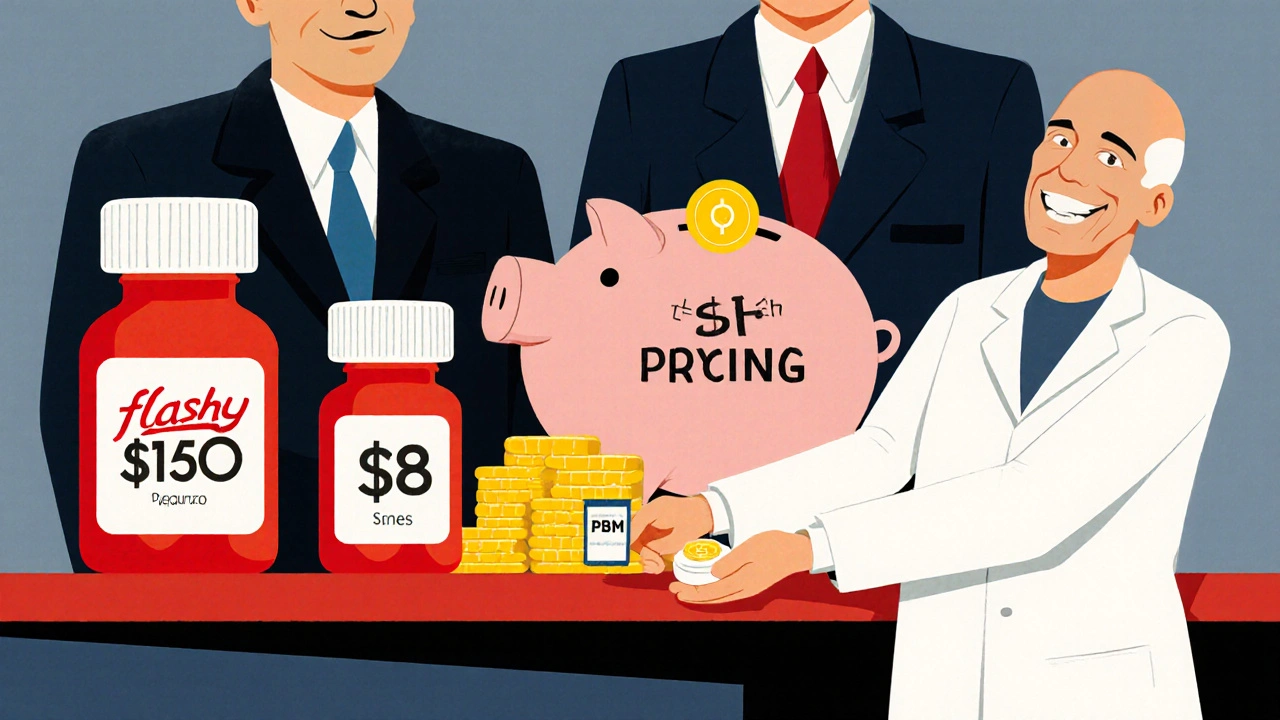
Insurance plans use tiered formularies and cost-sharing to push patients toward generic drugs, saving billions annually. But hidden pricing practices mean you may not see the full savings. Learn how it works-and how to protect yourself.