
Tiered Formularies: How Insurance Plans Control Your Medication Costs
When you pick up a prescription, the price you pay isn’t just set by the drug company—it’s shaped by your insurance plan’s tiered formularies, a system that groups medications into cost levels based on price, effectiveness, and negotiation deals. Also known as drug tiers, this structure tells you exactly how much you’ll fork out for each pill, patch, or injection. It’s not random. Your plan puts cheaper, generic drugs in the lowest tier—maybe $5 or $10—and sticks pricier brand-name or specialty drugs in higher tiers where you might pay $50, $100, or more. This isn’t just about profits; it’s how pharmacy benefit managers (PBMs) push patients toward drugs that save the system money.
Tiered formularies don’t exist in a vacuum. They’re tightly linked to pharmacy benefit managers, third-party companies that negotiate drug prices and manage coverage rules for insurers. These PBMs strike deals with drugmakers: if a company offers a big discount, their drug gets placed in a lower tier. That’s why you might see two similar drugs—say, two blood pressure pills—with wildly different costs. One’s on tier one because the manufacturer cut a deal. The other’s on tier three because it didn’t. And then there’s medication cost sharing, the portion you pay out-of-pocket through copays or coinsurance, which changes depending on the tier. It’s not just about what’s prescribed—it’s about what your plan incentivizes.
Many people don’t realize they can fight back. If your drug is stuck in a high tier, ask your doctor for a prior authorization or a tier exception. Sometimes, switching to a generic version or a similar drug on a lower tier saves hundreds a month. You’re not powerless—your plan has rules, and those rules can be appealed. The posts below show real examples: how patients navigated formularies for diabetes meds, how generic combinations changed cost structures, and how the Orange Book helps identify interchangeable drugs. You’ll find guides on comparing alternatives like lisinopril vs. losartan, understanding bioequivalence, and even how to advocate for yourself when your insurance denies coverage. This isn’t just paperwork—it’s your wallet on the line. Let’s get you the best price for the meds you need.
How Insurance Plans Use Generic Drugs to Cut Prescription Costs
Posted by Ellison Greystone on Nov, 25 2025
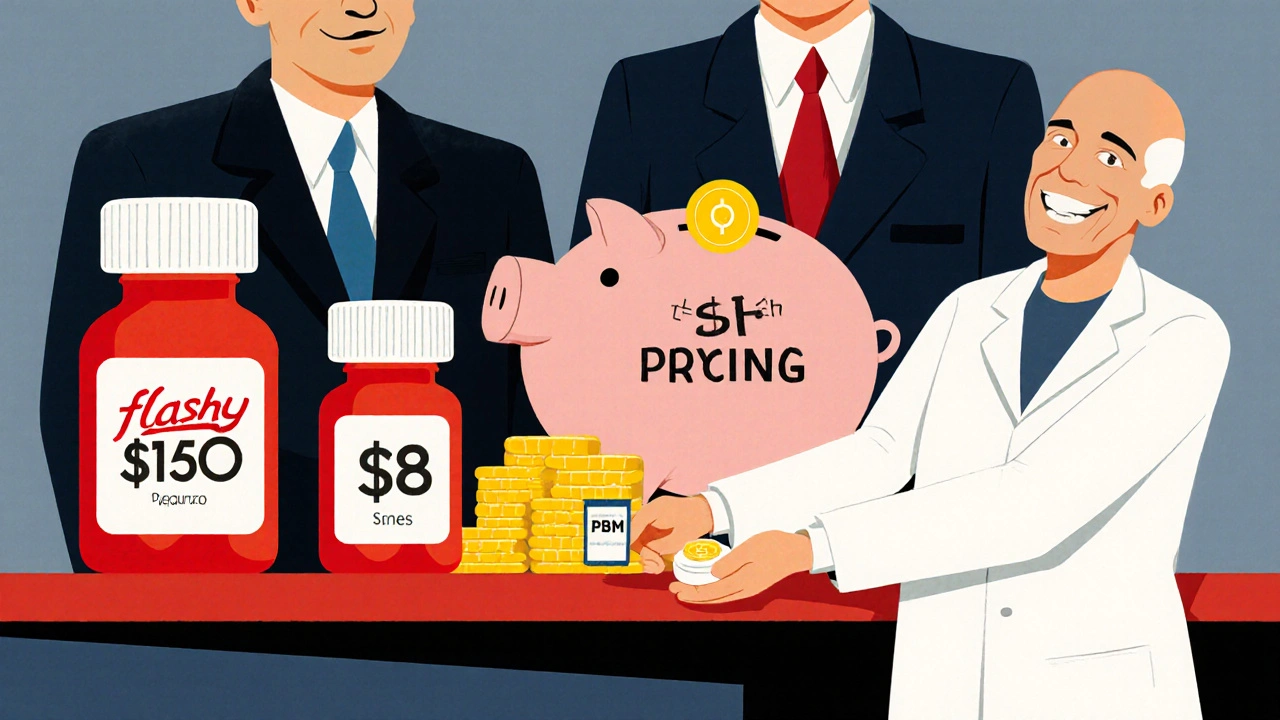
Insurance plans use tiered formularies and cost-sharing to push patients toward generic drugs, saving billions annually. But hidden pricing practices mean you may not see the full savings. Learn how it works-and how to protect yourself.