
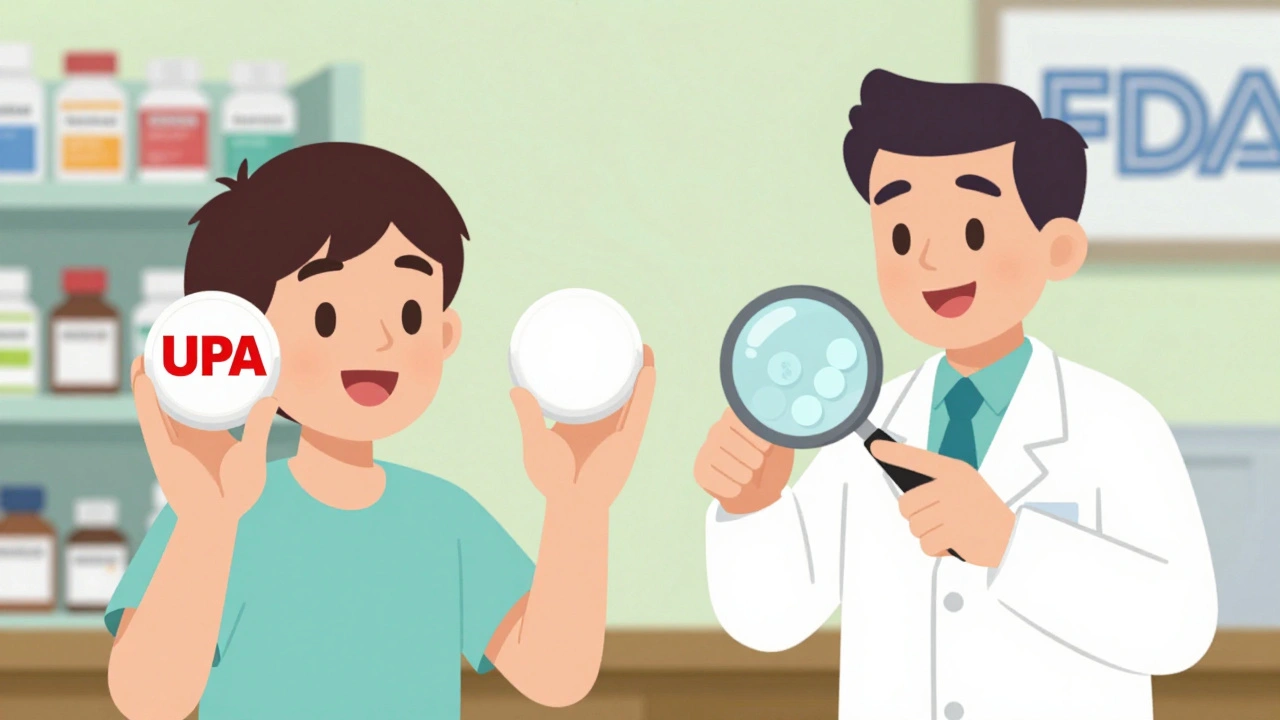
Ever opened your prescription bottle and seen a pill that looks exactly like your brand-name drug-but without the brand name on it? That’s not a mistake. It’s an authorized generic.
Most people think generics are cheaper versions of brand-name drugs. And they are. But authorized generics are different. They’re not just similar-they’re identical. Same active ingredient. Same inactive ingredients. Same manufacturing line. Even the same pill imprint. The only difference? No brand name on the label.
They show up when a brand-name drug’s patent expires. That’s when generic competition kicks in. But here’s the twist: sometimes, the brand-name company itself makes and sells the generic version. That’s an authorized generic. And it’s not just a side note-it’s a major part of how drugs get priced in the U.S. today.
How Authorized Generics Are Made (And Why They’re Not Just Regular Generics)
Regular generic drugs go through a process called the Abbreviated New Drug Application (ANDA). That means a different company has to prove their version works the same as the brand-name drug. They test it. They compare it. They show it’s bioequivalent. It’s expensive. It takes time. And even then, the inactive ingredients-like fillers, dyes, or coatings-can be different.
Authorized generics skip all that. They’re made by the original brand-name manufacturer. Or, sometimes, the brand licenses the exact formula to another company-but only if that company uses the same recipe, same equipment, same factory. The FDA doesn’t require a new approval because the drug was already approved under the original New Drug Application (NDA). All the manufacturer has to do is notify the FDA they’re selling it without the brand name.
That’s why an authorized generic isn’t just “like” the brand-name drug. It’s the same pill, just repackaged. If you’ve ever taken a brand-name drug and then got the generic version and noticed a different color or shape, that’s because traditional generics often change those details. With an authorized generic? It looks, feels, and works exactly the same.
Why Do Drug Companies Make Authorized Generics?
It sounds strange. Why would a company that spent millions developing a drug turn around and sell a cheaper version of it? The answer is strategy.
When a patent expires, the brand-name drug’s sales usually drop fast. Generic competitors flood the market. Prices crash. Companies lose money. So, some brands launch their own generic version-right before or right after the first traditional generic hits the shelves.
This move lets them keep some of the market share. Instead of losing 90% of sales to a competitor, they might keep 30% by offering the same drug at a lower price. And because it’s identical to the brand, patients and pharmacies are more likely to stick with it than switch to a different generic.
Research shows this isn’t random. Between 2010 and 2019, there were 854 authorized generic launches. In 75% of cases, they came out after a traditional generic had already entered the market. That’s not coincidence. It’s a calculated play. And in markets where a single generic company had 180 days of exclusive rights, 70% of authorized generics launched during that window-right when competition was most vulnerable.
It’s not about helping patients. It’s about protecting profits. But the side effect? Lower prices for consumers.
How Are Authorized Generics Different From Traditional Generics?
Here’s a quick breakdown:
- Same active ingredient? Yes-both.
- Same inactive ingredients? Only with authorized generics. Traditional generics can-and often do-use different fillers, dyes, or coatings.
- Same manufacturer? Authorized generics: often the brand company. Traditional generics: usually a different company.
- Regulatory path? Authorized generics: just a notification to the FDA. Traditional generics: full ANDA approval with bioequivalence testing.
- Listed in the FDA’s Orange Book? No-authorized generics are not listed. Traditional generics are.
- Price? Usually cheaper than the brand, but often more expensive than traditional generics once multiple competitors enter.
That last point matters. If you’re shopping for the lowest price, a traditional generic from a third-party manufacturer might be cheaper. But if you’ve had bad reactions to inactive ingredients in past generics-like stomach upset, rashes, or odd side effects-an authorized generic could be your safest bet.
Real Examples You Might Be Taking Right Now
You might already be on an authorized generic and not know it. Here are some common ones:
- Colchicine - The brand is Colcrys. The authorized generic is made by Prasco Laboratories. Same pill, no brand name.
- Methylphenidate ER - The brand is Concerta. The authorized generic is made by Watson/Actavis. Identical formulation.
- Celecoxib - The brand is Celebrex. The authorized generic is made by Greenstone Pharmaceuticals.
- Levothyroxine - The brand is Unithroid. The authorized generic is made by Jerome Stevens Pharmaceuticals.
If you’re on any of these, your pharmacy might have switched you to the authorized version without telling you. That’s common. Pharmacists don’t always flag it because, from a clinical standpoint, it’s the same drug.
What Patients and Pharmacists Say
Patients rarely know the difference unless they’re told. Some notice the pill looks different-same size, same color, but no brand logo. Others don’t notice at all.
Pharmacists report that the biggest issue isn’t effectiveness-it’s confusion. Patients ask: “Why does my brand-name drug look like a generic now?” Or worse: “Is this fake?”
That’s why counseling matters. A good pharmacist will explain: “This isn’t a different drug. It’s the same one your doctor prescribed, just sold without the brand name. It’s not cheaper because it’s weaker. It’s cheaper because there’s no marketing cost.”
Some patients are skeptical. Why would a company that made millions off a drug suddenly give it away cheaper? The answer is business. But for the patient, the result is the same: lower cost, same results.
Where to Find Authorized Generics
They’re not always labeled clearly. You won’t see “authorized generic” on the bottle. But you can check the FDA’s official List of Authorized Generic Drugs, updated regularly. Your pharmacist can also look it up using the drug’s NDC code.
If you’re on a brand-name drug that just went generic, ask your pharmacist: “Is there an authorized generic available?” If yes, it might be worth switching-especially if you’ve had issues with other generics in the past.
Insurance plans sometimes prefer authorized generics over traditional ones because they’re still considered “brand-equivalent.” That means lower copays than the brand, but sometimes higher than the cheapest generic.
Are Authorized Generics Good or Bad for Patients?
It’s complicated.
On one hand, they offer a lower-cost option that’s chemically identical to the brand. For people sensitive to inactive ingredients, they’re often the best choice. They reduce the chance of unexpected side effects from different fillers.
On the other hand, they delay the full wave of price competition. When multiple generic makers enter the market, prices drop even further. Authorized generics can slow that down. Studies show they help brand companies keep revenue, which might mean less pressure to lower prices overall.
But for the average patient? If you’re paying out of pocket, and you’re offered an authorized generic for 20-30% less than the brand? It’s a win. You get the same drug, same quality, same results. Just without the logo.
What’s Next for Authorized Generics?
They’re not going away. In fact, they’re growing. As more drugs lose patent protection, brand companies are using authorized generics as a standard tool in their pricing strategy. Regulators are watching. Some lawmakers have questioned whether they undermine the spirit of the Hatch-Waxman Act, which was meant to encourage competition.
But right now? They’re legal. They’re common. And they’re helping millions of people afford their meds.
The bottom line? Don’t fear them. Understand them. If your doctor or pharmacist suggests switching to an authorized generic, it’s not a downgrade. It’s the same medicine-just a smarter way to pay for it.
Are authorized generics the same as brand-name drugs?
Yes. Authorized generics are identical to their brand-name counterparts in every way: same active ingredient, same inactive ingredients, same dosage form, same manufacturing process. The only difference is the label-no brand name appears on the packaging or pill.
Why are authorized generics sometimes more expensive than regular generics?
Because they enter the market early-often before multiple generic manufacturers have a chance to compete. Once several companies start making the same drug, prices drop further. Authorized generics usually cost 15-25% less than the brand but can be 10-20% more than the cheapest traditional generic once competition heats up.
Can I trust an authorized generic if it looks different from my brand-name pill?
Yes. Even if the color, shape, or imprint is different, the active ingredient and formulation are identical. The brand-name company may change the appearance to distinguish it from their own branded product, but the drug inside is the same. Always check with your pharmacist if you’re unsure.
Are authorized generics listed in the FDA’s Orange Book?
No. Authorized generics are not listed in the FDA’s Orange Book because they’re not approved through the ANDA process. They’re marketed under the original brand’s New Drug Application (NDA). You can find them on the FDA’s separate List of Authorized Generic Drugs.
Should I ask my pharmacist for an authorized generic?
If you’ve had issues with traditional generics-like stomach upset, allergic reactions, or inconsistent effects-yes. Authorized generics eliminate the risk of different inactive ingredients. Even if they’re not the cheapest option, they’re the most reliable alternative to the brand-name drug.
Authorized generics aren’t a loophole. They’re a reality of today’s drug market. And for patients who need affordable, reliable medication, they’re often the best option available.


Write a comment