
Every year, millions of people take prescription drugs and over-the-counter medications. Most of them work as expected. But for some, things go wrong - unexpected rashes, heart palpitations, liver damage, or worse. When that happens, reporting it to the FDA isn’t just a good idea. It’s how we find out if a medicine is safer than we thought - or more dangerous.
What Counts as an Adverse Event?
An adverse event is any harmful or unwanted experience that happens after taking a medication. It doesn’t have to be proven that the drug caused it. If you took a pill and then got sick, it counts. That includes:- Side effects not listed on the label
- Overdoses (accidental or intentional)
- Drug interactions
- Lack of expected effectiveness
- Withdrawal symptoms
- Birth defects linked to medication use during pregnancy
The FDA calls this system FAERS - the FDA Adverse Event Reporting System. It’s not a lawsuit tool or a way to get compensation. It’s a safety net. Every report helps build a clearer picture of what’s really happening when people use drugs in the real world - not just in clinical trials.
Who Can Report?
Anyone can report. But the rules are different depending on who you are.- Patients and families: You can report directly. No doctor’s note needed.
- Healthcare providers: Doctors, nurses, pharmacists - you’re encouraged to report, and in some cases, legally required to (like with vaccines).
- Pharmaceutical companies: They’re legally required to report serious events within 15 days. They use special software to submit data in a format called ICH E2B.
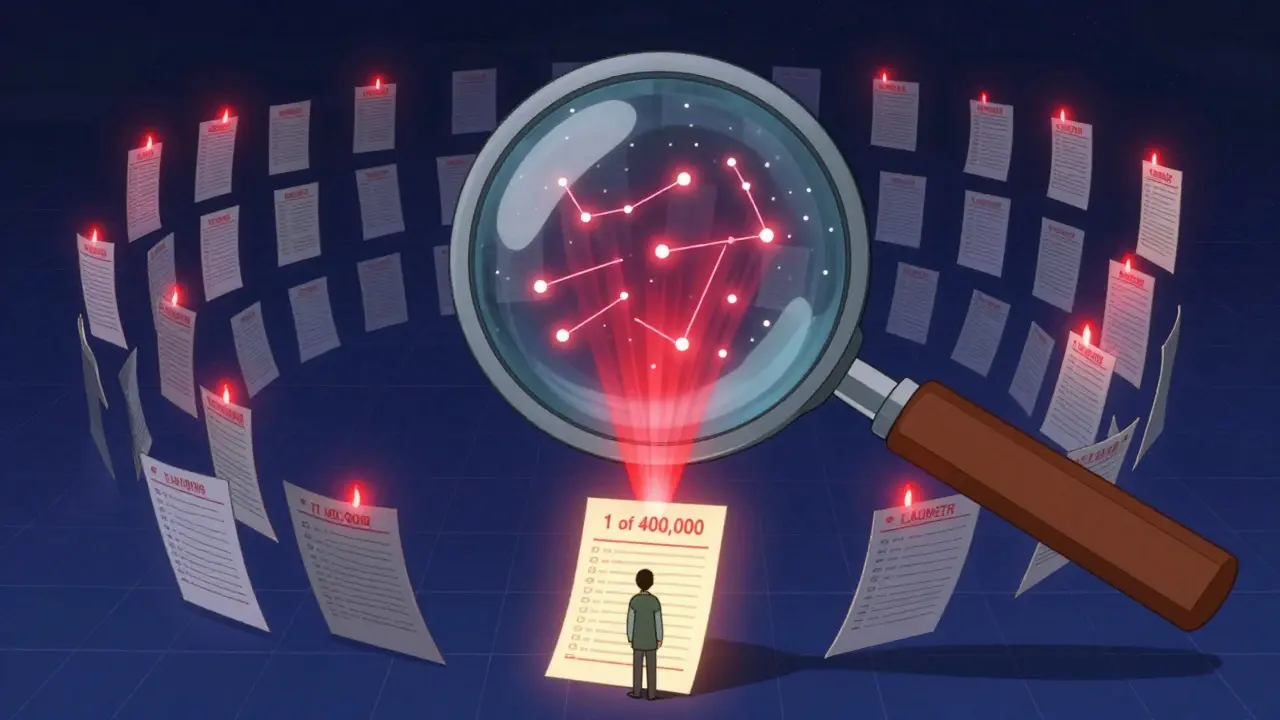
The FDA gets about 2 million reports a year. About 400,000 come from patients. The rest come from doctors and drug makers. But experts say only 1% to 10% of all adverse events are ever reported. That means most problems go unnoticed. Your report matters - even if you think it’s small.
How to Report as a Patient or Family Member
You don’t need to be a doctor. You don’t need special training. Here’s how to do it in five simple steps:- Write down what happened. Note the exact name of the medication (brand and generic), dose, how long you took it, and when the problem started. Did it happen after the first pill? After three weeks? Include symptoms - nausea, dizziness, swelling, rash, chest pain, confusion - anything unusual.
- Gather key details. Your age and gender. Any other medications or supplements you’re taking. Medical history that might matter - like kidney disease or allergies. If you went to the ER or saw a doctor, note that too.
- Go to the FDA’s MedWatch page. Visit www.fda.gov/medwatch. Click on "Report a Problem" and choose "Consumer or Patient".
- Fill out Form 3500. This is the online form. You’ll enter patient info, drug info, and a description of the event. You have up to 3,000 characters. Be specific. Instead of "felt bad," write "developed severe hives and swelling of the throat 4 hours after taking the pill. Went to ER, received epinephrine." Include dates. Include lab results if you have them.
- Upload photos if you can. Take a picture of the pill bottle, the prescription label, or the actual medication. Upload it. It helps the FDA match your report to the right product.
You can save your report and come back to it within three days using a unique ID. You don’t have to submit it all at once.
How to Report as a Healthcare Professional
If you’re a doctor, nurse, or pharmacist, your report carries more weight. Why? Because you can add clinical context.- Include lab values - liver enzymes, creatinine, white blood cell count.
- Describe how the patient responded to treatment.
- State whether the event was serious - meaning it led to hospitalization, disability, birth defect, or death.
- Use the same MedWatch form, but select "Health Professional".
Studies show reports from clinicians are 73% more likely to trigger a safety review. That’s because they include details patients often don’t know - like drug levels in the blood or whether the reaction happened after a dose change.
Some drugs require mandatory reporting. For example, under the National Childhood Vaccine Injury Act, providers must report certain reactions to vaccines. For other drugs, it’s voluntary - but still critical.
What Happens After You Submit?
You won’t get a phone call. You won’t get a thank-you note. But your report goes into the FAERS database - a massive collection of over 30 million reports dating back to 1968.The FDA doesn’t investigate every single report. Instead, they look for patterns. If 10 people report the same rare reaction to the same drug, that’s a signal. If 50 do, it becomes a red flag.
That’s how they found the link between fluoroquinolone antibiotics and aortic aneurysms. That’s how they added Black Box warnings to certain antidepressants after seeing spikes in suicidal thoughts in young adults. That’s how they pulled off a drug called Vioxx after it caused heart attacks.
But here’s the truth: It takes time. The FDA has only one safety reviewer for every 18,000 reports. On average, it takes 217 days for a report to be reviewed for a potential safety signal. That’s why your report needs to be detailed - the more info you give, the faster they can act.
What Doesn’t Work
Many people think reporting to the FDA will get them a refund, a lawsuit, or a quick fix. It won’t.- The FDA doesn’t contact you for follow-up unless your case is part of a larger pattern.
- They can’t change your prescription or force your doctor to stop prescribing the drug.
- They can’t compensate you for harm.
What they can do is change the label. Add a warning. Require new studies. Pull the drug. That’s the goal.
Common Problems People Face When Reporting
The system isn’t perfect. Here’s what users report:- Website crashes. The MedWatch form times out. Save your work every 5 minutes.
- 3,000-character limit. That’s not enough for complex cases. Use bullet points. Be concise but complete.
- Unclear what’s "unexpected". If you’re unsure, report it anyway. The FDA’s job is to decide if it’s unexpected - not yours.
- No confirmation. You won’t get an email saying "received." That’s normal.
One doctor on Reddit spent 45 minutes filling out a report on a life-threatening skin reaction - only to have the system crash before submission. He had to start over. Don’t let that stop you. Print a copy of your report before submitting. Keep it for your records.
Why Your Report Matters More Than You Think
In 2022, the FDA found that reports with detailed lab results were 68% more likely to trigger a safety investigation. Reports with clear timelines - when the drug started, when the reaction happened - were 82% more likely to help determine if the drug was the cause.That means your description isn’t just a story. It’s data. And data drives decisions.
Imagine a mother reports her child developed liver failure after taking a common fever reducer. No one else has reported that. Nothing happens. But then 12 more mothers report the same thing. Suddenly, the FDA sees a pattern. They test the drug. They find a genetic risk. They update the label. Kids are saved.
That’s how it works. One report might seem small. But together, they change medicine.
What’s New in 2026?
The FDA is upgrading the system. In 2024, they started using artificial intelligence to scan reports for hidden patterns. Instead of waiting for 10 similar reports, the AI might spot a cluster of 30 unusual reactions across different drugs.They’re also working to connect FAERS with electronic health records. In the future, your doctor’s system might auto-submit a report when a patient has a reaction - cutting out the manual step. That could increase reporting rates by 300%.
But until then, it’s up to you.
Final Checklist Before You Submit
Before you click "Submit," make sure you’ve included:- Exact drug name (brand and generic)
- Dosage and how long you took it
- Start and end dates of the reaction
- Full description of symptoms
- Patient age and gender
- Any other medications taken
- Lab results or doctor’s notes (if available)
- Photo of the pill bottle (optional but helpful)
If you’ve got those, you’ve done your part. You’ve helped make medicine safer for everyone.
Can I report an adverse event if I’m not in the U.S.?
Yes. If you’re outside the U.S. but took a medication approved by the FDA, you can still report it. The FDA accepts international reports as long as they’re in English. If you took a drug made in the U.S. but used it abroad, your report counts. Foreign manufacturers are required to forward reports to the FDA within 15 days, but patients can report directly too.
Do I need to report minor side effects?
Yes. The FDA defines "serious" events as those that cause hospitalization, disability, birth defects, or death. But even mild symptoms - like headaches, fatigue, or nausea - matter if they’re new or unusual. The goal is to catch patterns early. What seems minor to you might be the first sign of a bigger problem.
What if I’m not sure the drug caused the problem?
Report it anyway. The FDA’s job is to determine whether there’s a possible link. You don’t need to prove causation. If you took the drug and then had a reaction, that’s enough to report. The system is designed to catch signals - not to assign blame.
Can I report a drug interaction between two medications?
Absolutely. Drug interactions are one of the most common reasons for adverse events. List both medications, the doses, and when you took them. Include symptoms. The FDA tracks these patterns closely - especially when they involve common combinations like blood thinners and NSAIDs.
Is there a deadline to report an adverse event?
No. There’s no official deadline for patients or healthcare providers. But the sooner you report, the better. Early reports help the FDA spot emerging trends faster. If you’re reporting a death or life-threatening event, report immediately. For less urgent cases, submit within a few weeks.
Will my report be kept private?
Yes. The FDA protects your identity. Your name, address, and contact info are removed from public reports. Only authorized FDA staff can access personal details. Your report will appear in the FAERS database as a de-identified case. You can choose to include your contact info for follow-up - but it’s optional.


Write a comment