
Tag: medication safety
Beers Criteria: Guide to Potentially Inappropriate Medications for Older Adults
Posted by Ellison Greystone on Apr, 17 2026
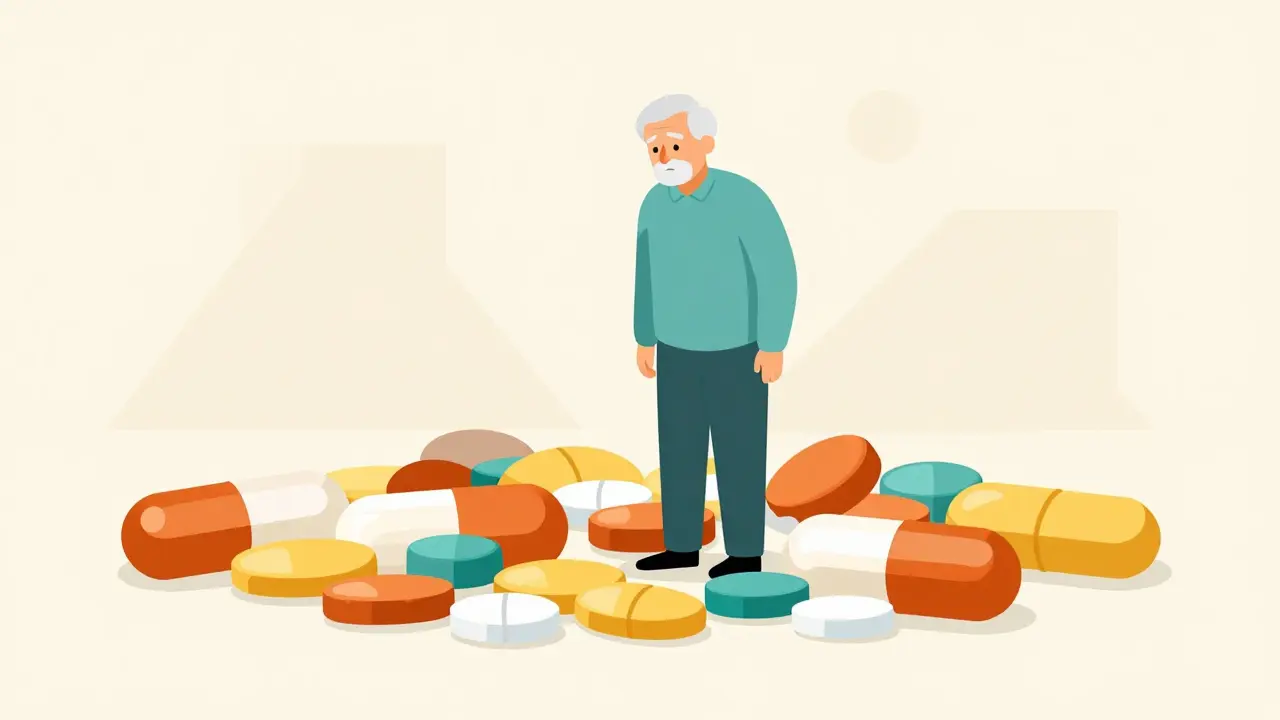
Learn about the Beers Criteria: the gold standard for identifying potentially inappropriate medications in older adults to reduce adverse drug events and improve safety.
Asthma and COPD Medications: Avoiding Dangerous Drug Interactions
Posted by Ellison Greystone on Apr, 10 2026
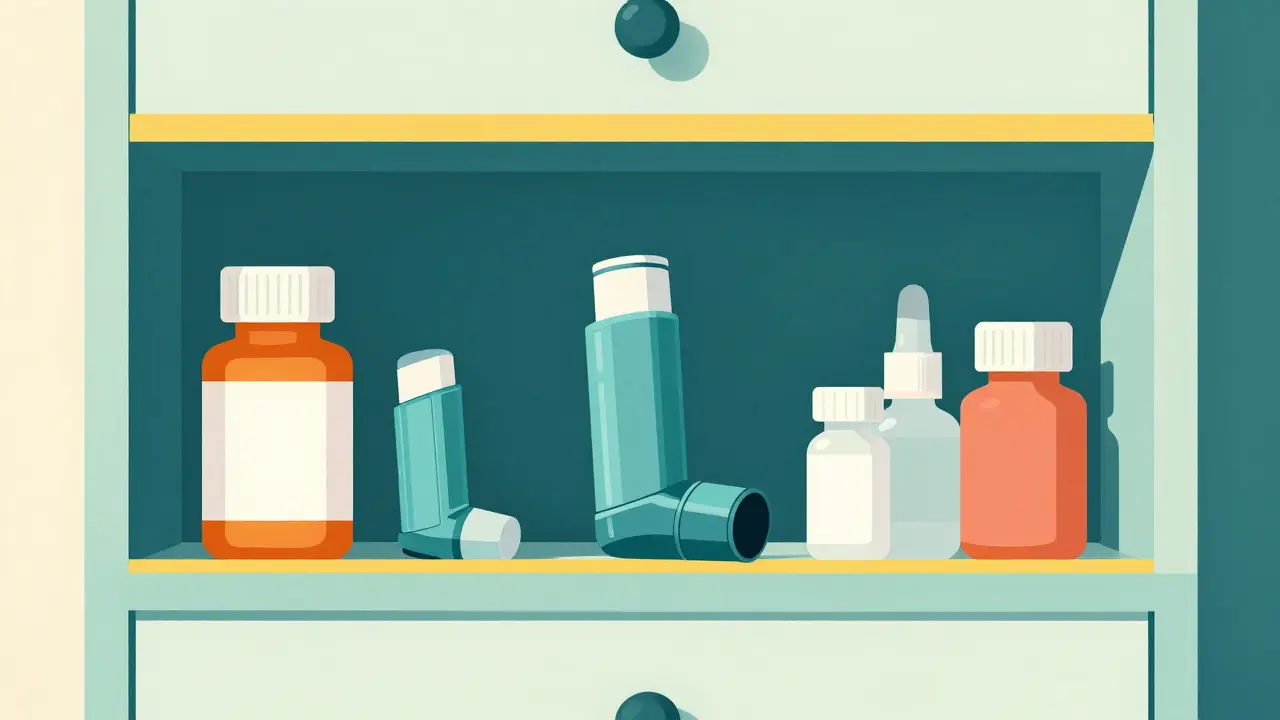
Learn about critical drug interactions for asthma and COPD patients, including the risks of opioids, beta-blockers, and NSAIDs to ensure respiratory safety.
What to Do If You Receive the Wrong Medication from the Pharmacy
Posted by Ellison Greystone on Mar, 19 2026
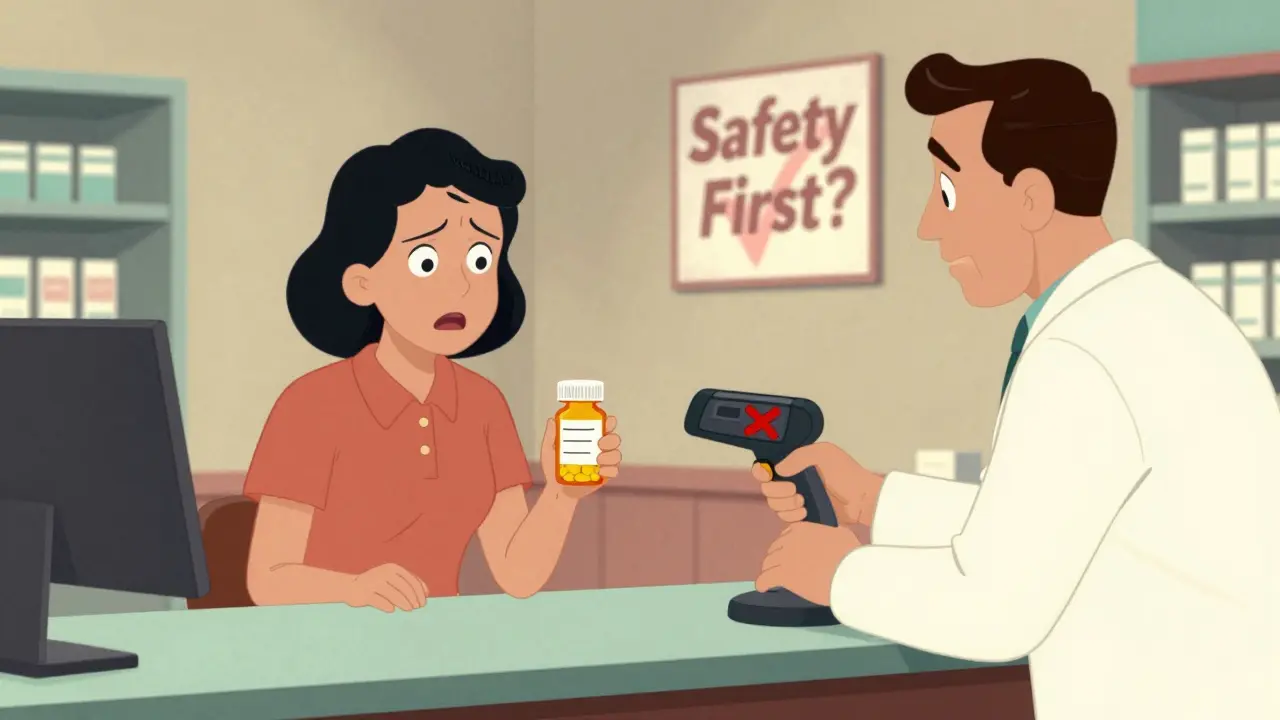
If you receive the wrong medication from the pharmacy, stop taking it immediately, contact your doctor, and preserve all evidence. Learn how to report the error, understand your legal rights, and prevent future mistakes.
How to Discuss Pregnancy and Breastfeeding Plans for Medication Safety
Posted by Ellison Greystone on Mar, 10 2026
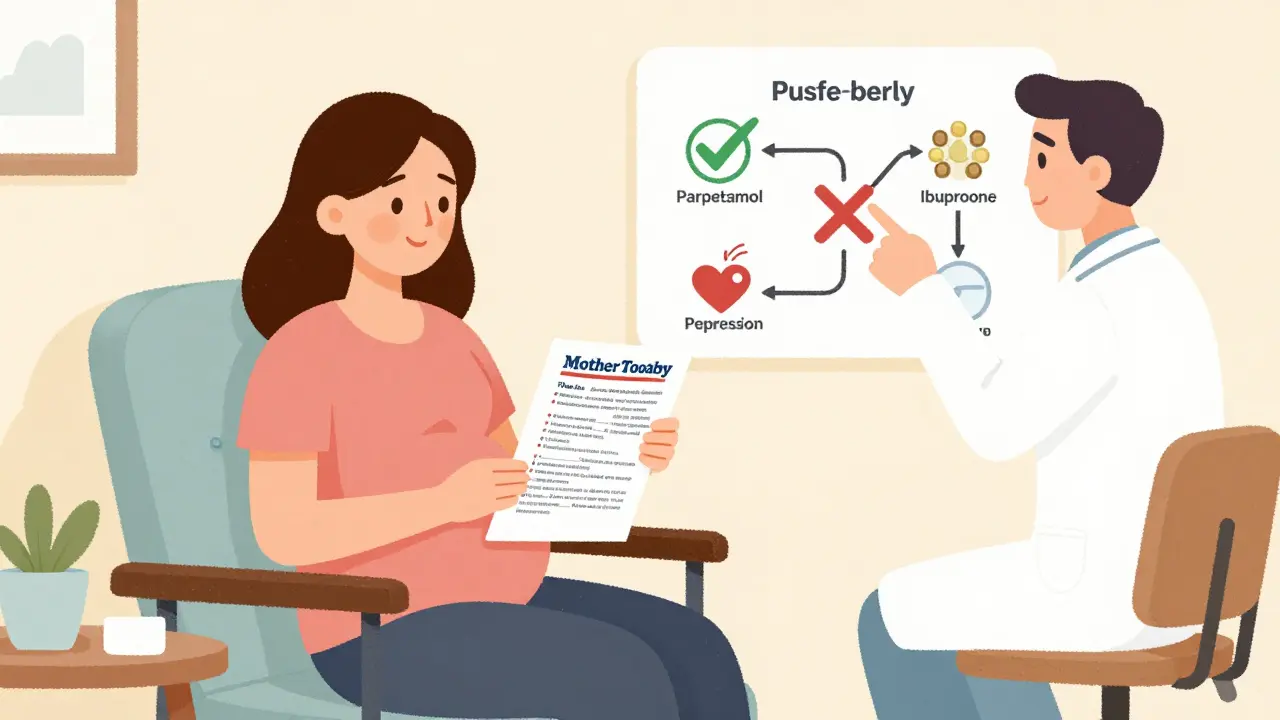
Learn how to have clear, evidence-based conversations about medication safety during pregnancy and breastfeeding. Know when to talk, what to ask, and which tools actually help you make safe choices.
How to Read Dose Measurements on Liquid Prescription Labels
Posted by Ellison Greystone on Jan, 29 2026
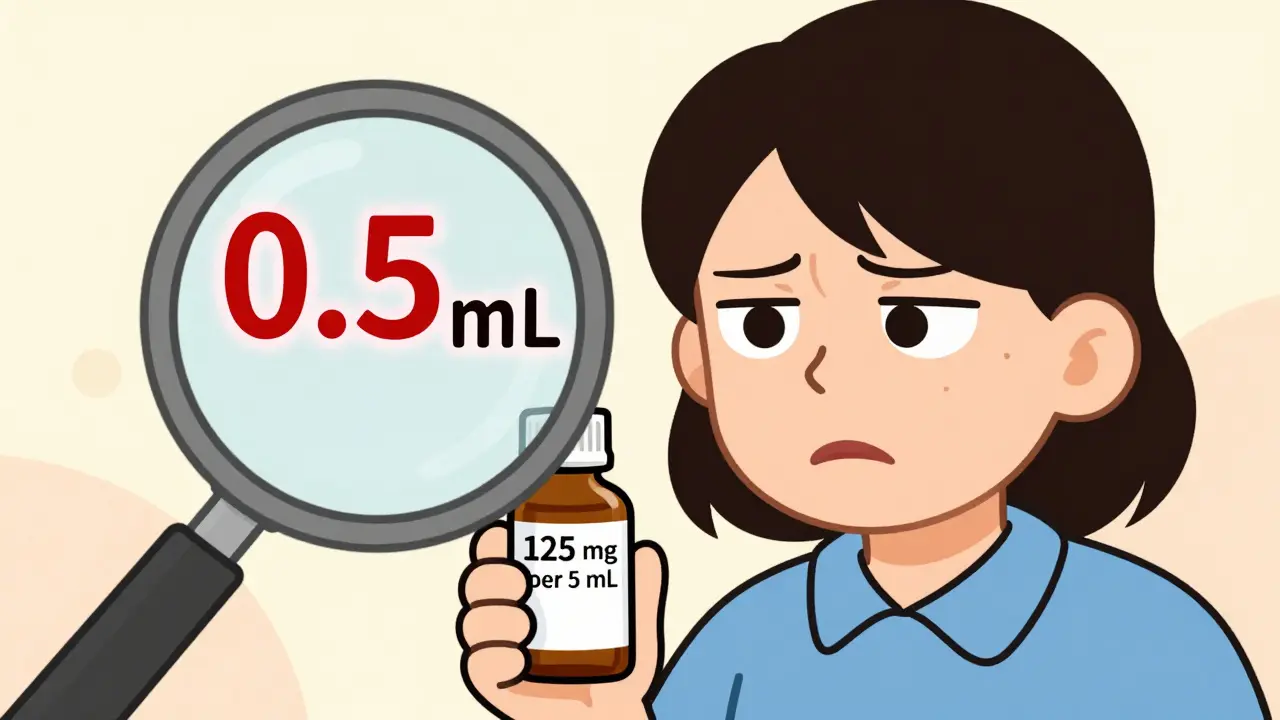
Learn how to read liquid prescription labels accurately to avoid dangerous dosing errors. Understand concentration, mL measurements, decimal rules, and the right tools to use for safe medication administration.
How to Report Adverse Events to the FDA for Medications: A Step-by-Step Guide
Posted by Ellison Greystone on Jan, 9 2026
Learn how to report adverse drug reactions to the FDA using MedWatch. Step-by-step guide for patients, families, and healthcare providers to help improve medication safety.
The Science of Medication Safety: Understanding Risk, Benefit, and Real-World Evidence
Posted by Ellison Greystone on Jan, 3 2026
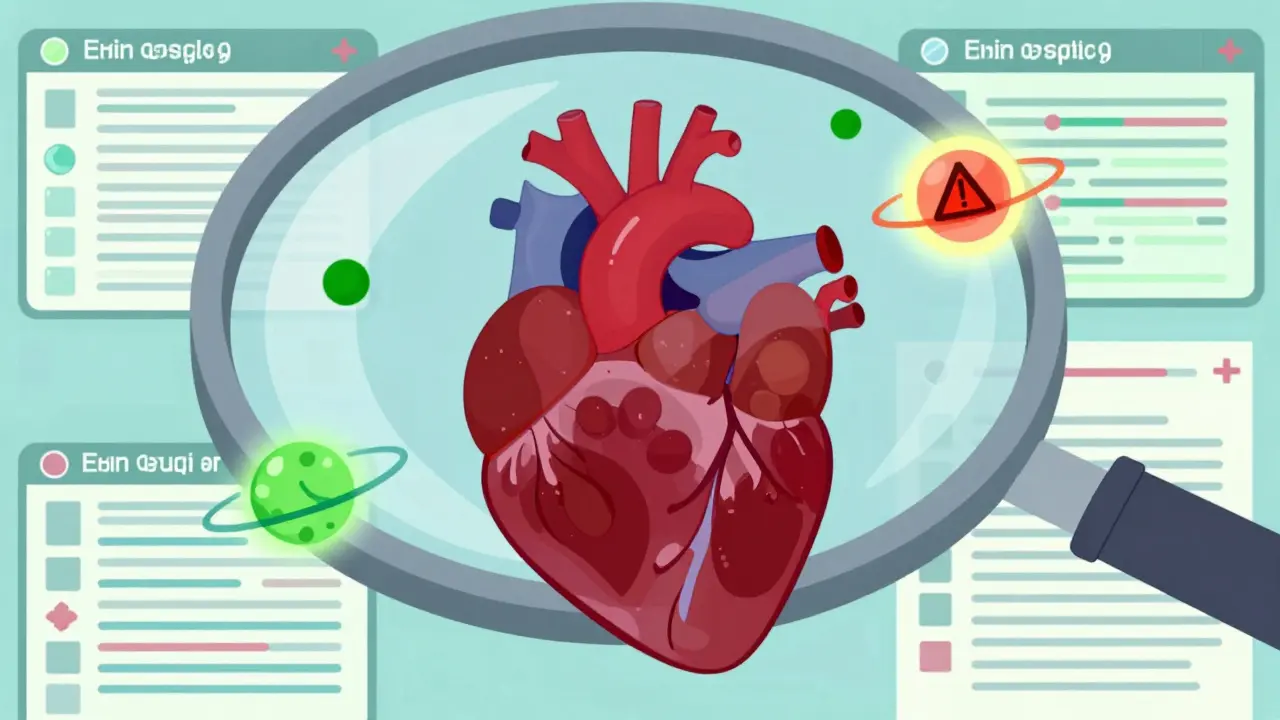
Understanding how medication safety works behind the scenes - from clinical trials to real-world data - helps patients and providers make smarter, safer choices. Learn how risk, benefit, and evidence come together to protect you.