
Kidney Disease Meds: What Works, What to Avoid, and How to Stay Safe
When you have kidney disease, a condition where the kidneys can’t filter blood properly, leading to waste buildup and fluid imbalance. Also known as chronic kidney disease, it affects how your body handles many common medications. Your kidneys don’t just make urine—they help control blood pressure, balance electrolytes, and clear drugs from your system. When they’re damaged, even everyday pills like metformin, a first-line diabetes drug that’s cleared by the kidneys or SGLT2 inhibitors, a newer class of diabetes meds that lower blood sugar by making the kidneys excrete more glucose need careful dosing—or sometimes, they need to be avoided altogether.
Many people with kidney disease also have diabetes, and that’s where things get tricky. A drug that helps control blood sugar can hurt your kidneys if the dose isn’t adjusted. For example, metformin used to be off-limits for anyone with even mild kidney issues. But updated guidelines now say it’s safe for most people with eGFR above 30, as long as the dose is lowered. SGLT2 inhibitors like empagliflozin and dapagliflozin aren’t just safe—they actually slow kidney damage in people with diabetes and early kidney disease. That’s a big deal. These meds don’t just lower sugar; they reduce the risk of needing dialysis or having a heart attack. But if your kidneys are very weak (eGFR under 25), even these drugs may not work well or could increase side effects like dehydration or urinary tract infections.
It’s not just diabetes meds. Blood pressure drugs like ACE inhibitors and ARBs are often used to protect kidneys, but they can raise potassium levels or drop blood pressure too much if kidney function is poor. NSAIDs like ibuprofen? Avoid them. They can suddenly crash kidney function, especially in older adults or those already on diuretics. Even some antibiotics and contrast dyes used in imaging tests need special caution. The key isn’t just knowing which drugs to take—it’s knowing which ones to stop, which to cut back on, and when to ask for a different option. Your doctor doesn’t always bring this up, so be ready to ask: "Is this pill safe for my kidneys?" and "Do I need a lower dose?"
What you’ll find in the posts below isn’t a list of drug names—it’s real-world guidance on how these medications actually behave in people with kidney disease. From how to read your eGFR results to why some diabetes pills are now first-choice for kidney protection, these articles cut through the noise. You’ll see exactly when to adjust your meds, what side effects to watch for, and how to talk to your provider about safer alternatives. No fluff. Just what you need to manage your health without putting your kidneys at further risk.
Kidney Disease Medications: Phosphate Binders, Diuretics, and Anticoagulants Explained
Posted by Ellison Greystone on Dec, 5 2025
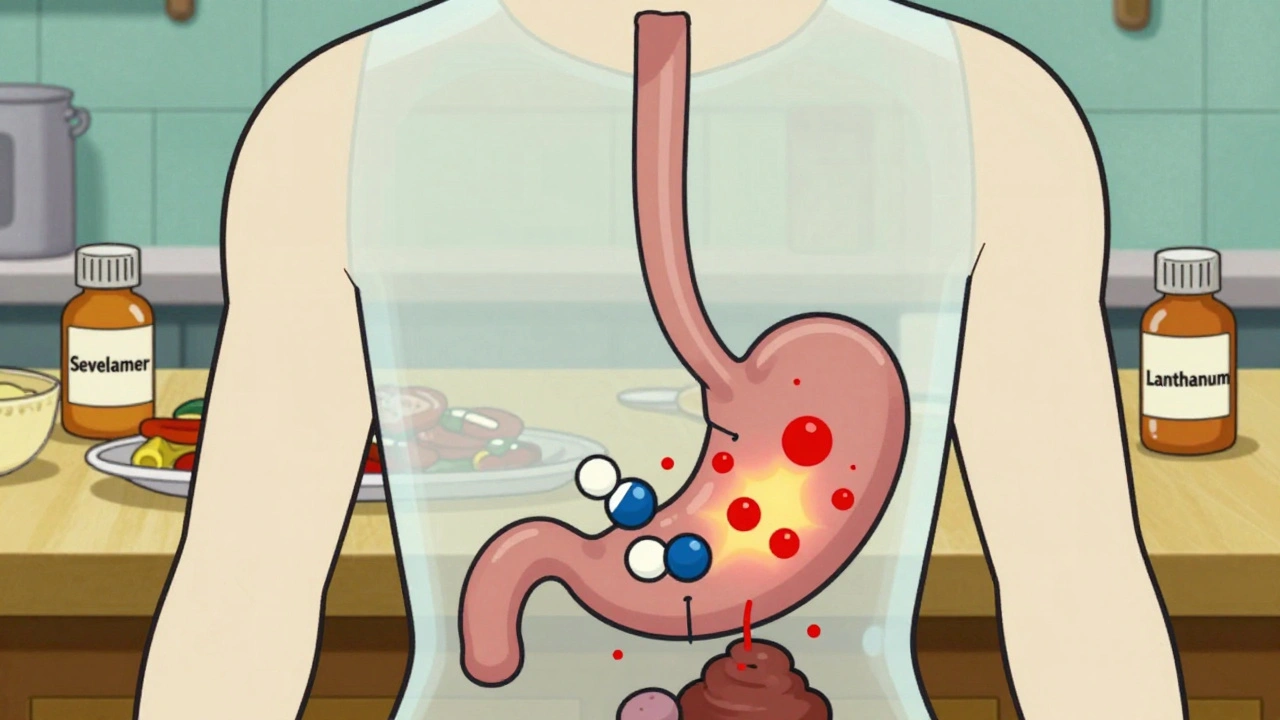
Phosphate binders, diuretics, and anticoagulants are essential for managing complications of chronic kidney disease. Learn how each works, their real-world trade-offs, dosing tips, and what’s new in 2025.