
Mixed Connective Tissue Disease: Symptoms, Diagnosis, and Treatment Options
When your immune system attacks your own connective tissues, it can trigger something called mixed connective tissue disease, a rare autoimmune disorder that overlaps with lupus, scleroderma, and rheumatoid arthritis. Also known as MCTD, it doesn’t fit neatly into one category—it’s a mix, and that makes it tricky to spot. People with MCTD often feel fatigued, have swollen fingers, and get Raynaud’s phenomenon—where fingers turn white or blue in the cold. Many also develop joint pain that feels just like rheumatoid arthritis, or skin thickening similar to scleroderma. What sets it apart is the presence of high levels of anti-U1 ribonucleoprotein antibodies, a key marker doctors test for.
It’s not just about one disease acting up. lupus, a systemic autoimmune condition that can affect skin, joints, kidneys, and organs often shows up in MCTD as rashes or kidney issues. scleroderma, a condition causing hardening and tightening of the skin and connective tissues brings thickened skin, especially on fingers, and can lead to lung problems. And rheumatoid arthritis, a chronic inflammatory disorder targeting joints adds swelling, stiffness, and pain that moves around. MCTD pulls symptoms from all three, but usually starts with milder signs that slowly worsen. It’s more common in women, often diagnosed between ages 20 and 40, and tends to progress slower than pure lupus or scleroderma.
There’s no cure, but treatment focuses on calming the immune system and managing symptoms. Corticosteroids like prednisone are common first-line tools, especially for inflammation. For lung or kidney involvement, stronger immunosuppressants like methotrexate or mycophenolate might be needed. Many people find relief with calcium channel blockers for Raynaud’s, or physical therapy to keep joints moving. The key is catching it early—delayed diagnosis can lead to irreversible lung or heart damage. What’s hopeful is that many with MCTD live full lives with the right care. You’ll find real stories here about how people manage flares, what meds helped them, and what to watch for when symptoms change. This isn’t just theory—it’s what works in practice.
Autoimmune Overlap Syndromes: Recognizing Mixed Symptoms and Getting Coordinated Care
Posted by Ellison Greystone on Dec, 2 2025
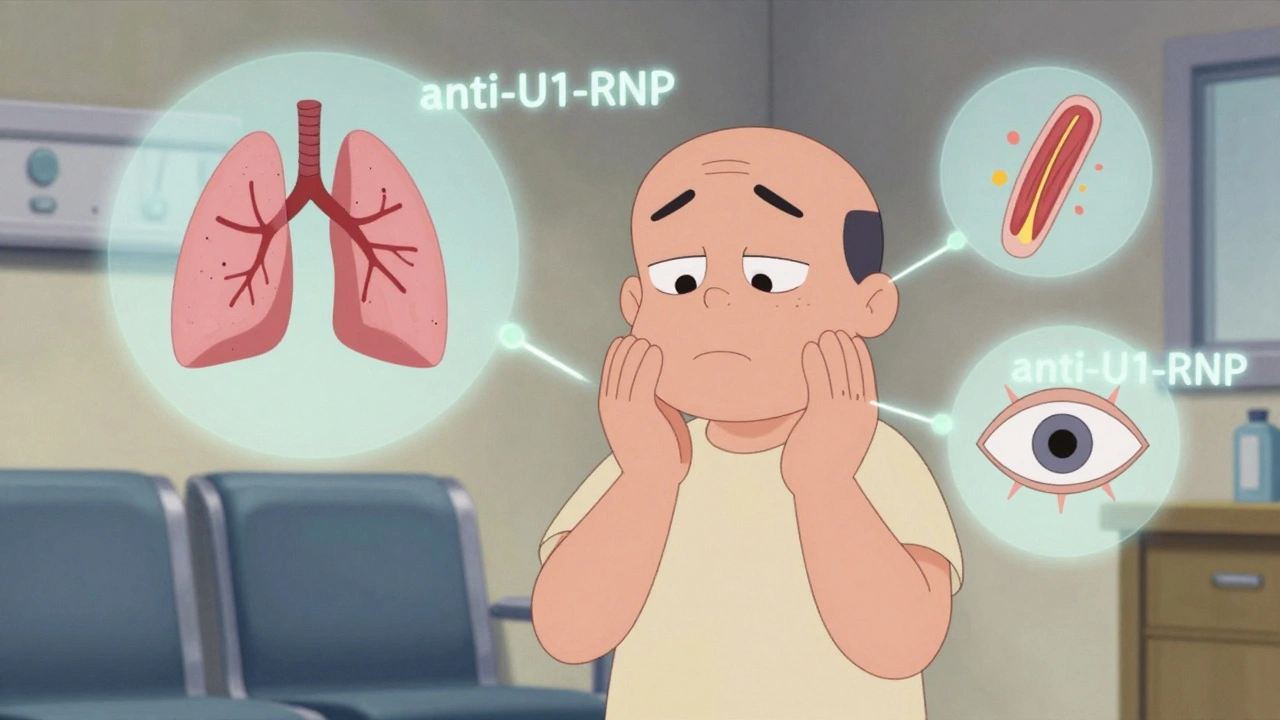
Autoimmune overlap syndromes combine features of multiple autoimmune diseases like lupus, scleroderma, and myositis. Learn how they're diagnosed, treated, and why coordinated care is essential for better outcomes.