
Phosphate Binders: What They Are and How They Help Kidney Patients
When your kidneys can’t filter waste properly, phosphate binders, medications that stop your body from absorbing too much phosphate from food. Also known as phosphate sequestrants, they’re a daily must for many people on dialysis or with advanced chronic kidney disease. Without them, phosphate builds up in your blood, leading to weak bones, itchy skin, heart problems, and even calcification of your blood vessels.
Phosphate binders work in your gut—you take them with meals so they grab onto the phosphate in food before your body can absorb it. The excess phosphate then leaves your body in your stool instead of entering your bloodstream. There are a few main types: calcium-based binders, like calcium acetate and calcium carbonate, which also supply calcium but can raise blood calcium levels if overused, and non-calcium binders, such as sevelamer and lanthanum, which don’t affect calcium but may cause more stomach upset. Then there’s iron-based binders, a newer option that helps both phosphate and anemia, useful for people who need extra iron.
These meds aren’t optional for many kidney patients—they’re as important as dialysis itself. But they’re not magic pills. You still need to watch your diet, avoid high-phosphate foods like soda, processed cheese, and canned fish, and take the binders exactly with meals. Missing a dose or taking them between meals makes them useless. And because they interact with other drugs—like thyroid meds, antibiotics, or iron supplements—you have to space them out properly. Your pharmacist can help you build a schedule that works.
What you’ll find in the posts below are real, practical insights from people managing kidney disease, dialysis, and related conditions. You’ll see how phosphate binders fit into broader treatment plans, how they connect with diabetes meds like metformin and SGLT2 inhibitors that also affect kidney function, and why coordinated care matters when you’re juggling multiple drugs. There’s no fluff—just clear info on what works, what doesn’t, and how to stay in control.
Kidney Disease Medications: Phosphate Binders, Diuretics, and Anticoagulants Explained
Posted by Ellison Greystone on Dec, 5 2025
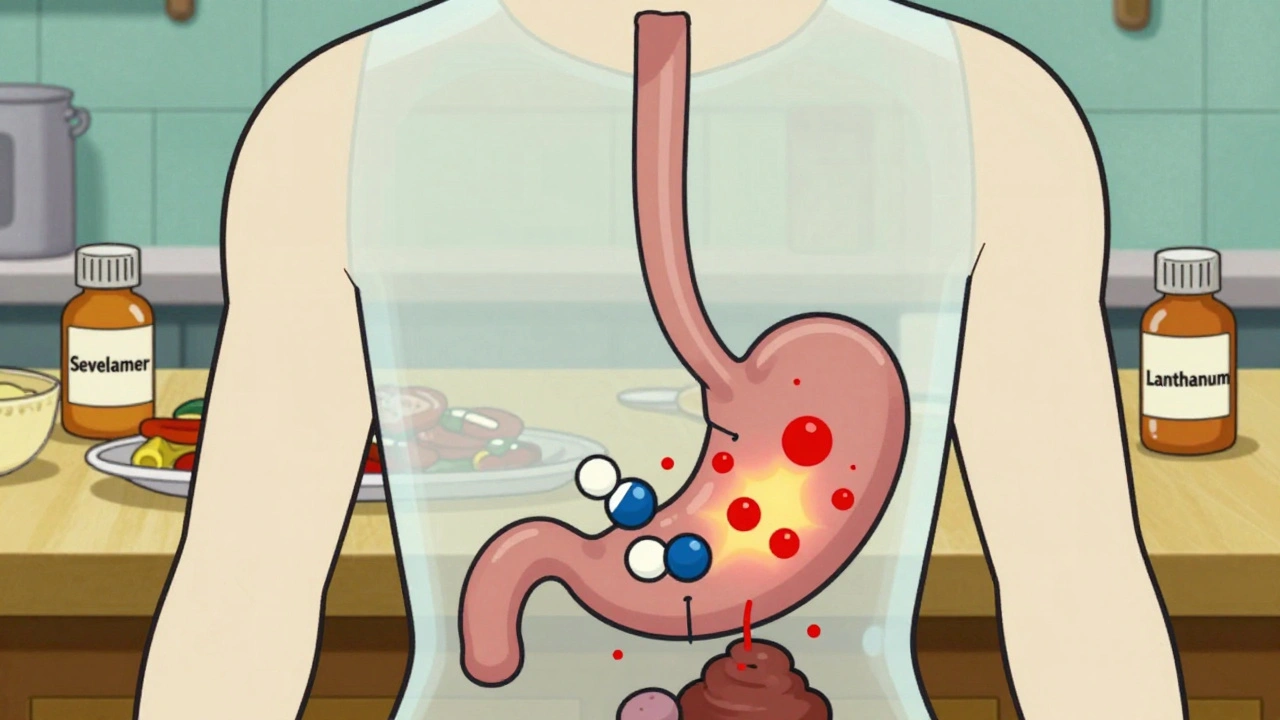
Phosphate binders, diuretics, and anticoagulants are essential for managing complications of chronic kidney disease. Learn how each works, their real-world trade-offs, dosing tips, and what’s new in 2025.