
SGLT2 Inhibitors and Kidney Function: What You Need to Know
When you hear SGLT2 inhibitors, a class of diabetes drugs that lower blood sugar by making the kidneys remove excess glucose through urine. Also known as gliflozins, these medications don’t just control blood sugar—they’ve changed how we think about kidney and heart health in people with diabetes. Originally designed for type 2 diabetes, SGLT2 inhibitors like dapagliflozin, empagliflozin, and canagliflozin have turned out to do something surprising: they slow down kidney damage, even in people without diabetes.
This isn’t theory. Large studies, like the DAPA-CKD and EMPA-KIDNEY trials, showed that people with chronic kidney disease who took SGLT2 inhibitors had a 30% to 40% lower risk of their kidney function getting worse, needing dialysis, or dying from kidney-related causes. That’s not a small benefit—it’s one of the biggest breakthroughs in kidney care in the last decade. And it’s not just about kidneys. These same drugs reduce hospital stays for heart failure, lower blood pressure, and even help with weight loss. That’s why guidelines now recommend them for people with type 2 diabetes and kidney disease, even if their blood sugar is already under control.
How do they work? SGLT2 inhibitors block a protein in the kidneys that normally reabsorbs sugar back into the blood. Instead, the sugar gets flushed out in urine. That lowers blood sugar, but it also reduces pressure inside the kidney’s filtering units, which helps protect them over time. They also reduce inflammation and scarring in kidney tissue—things that often go unnoticed until damage is advanced. And unlike some older diabetes drugs, they rarely cause low blood sugar on their own.
But they’re not for everyone. People with severe kidney disease, those prone to dehydration, or those with a history of genital infections may need to be careful. Still, for many, the benefits far outweigh the risks. If you have diabetes and early signs of kidney trouble—like protein in your urine or a slowly dropping eGFR—ask your doctor if an SGLT2 inhibitor could be right for you. It’s not just about sugar anymore. It’s about protecting your kidneys, your heart, and your future.
Below, you’ll find real-world guides on how these drugs fit into broader treatment plans, what side effects to watch for, and how they connect to heart failure and diabetes management. No fluff. Just what matters for your health.
Renal Dosing for Metformin and SGLT2 Inhibitors: When to Adjust
Posted by Ellison Greystone on Dec, 1 2025
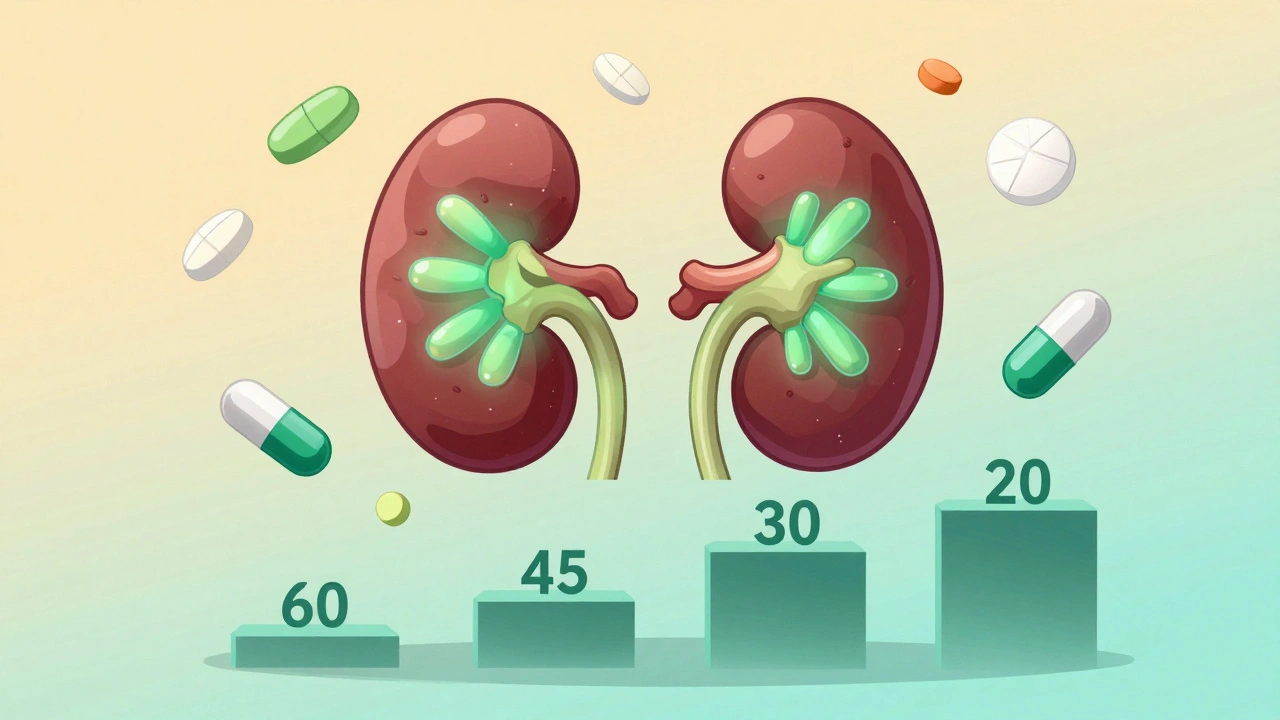
Learn when and how to adjust metformin and SGLT2 inhibitors for kidney function. Updated 2025 guidelines on eGFR thresholds, dosing limits, and real-world management for diabetes patients with chronic kidney disease.