
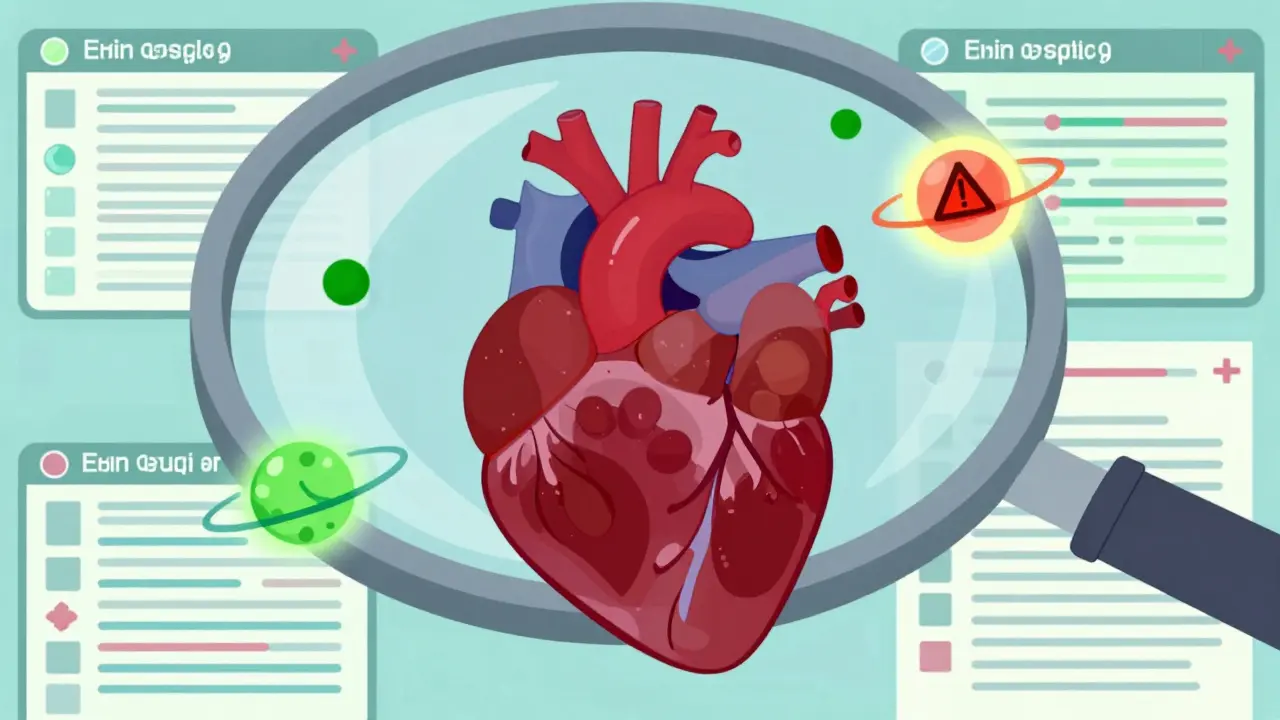
Every time you take a pill, there’s a hidden calculation happening - one that balances the chance it will help you against the chance it might hurt you. This isn’t guesswork. It’s medication safety, a science built on data, real-world outcomes, and years of lessons learned from tragedies that changed how drugs are monitored.
Why Clinical Trials Aren’t Enough
Clinical trials are the gold standard for approving new drugs. But they’re limited. Most phase III trials involve fewer than 5,000 people, followed for less than two years. That’s enough to catch common side effects - like nausea or dizziness - but not rare ones. A reaction that happens in 1 out of 10,000 people? It’s invisible in a trial. That’s why, after approval, drugs are still watched closely.Take thalidomide. In the 1960s, it was prescribed for morning sickness. Thousands of babies were born with severe limb defects before the link was confirmed. That disaster forced the world to rethink how drugs are tested after they reach the public. Today, we have systems like the FDA’s Sentinel Initiative, which tracks health data from over 190 million people. That’s not just a database - it’s a living early-warning system.
The Tools of Medication Safety
Pharmacovigilance - the science of detecting, assessing, and preventing adverse effects - relies on several methods. Each has strengths and blind spots.Randomized controlled trials (RCTs) are still the foundation for approval. But they’re expensive - averaging $26 million per trial - and too small to catch rare events. That’s why regulators now require post-marketing studies for nearly 4 out of 10 new drugs.
Observational studies fill the gap. These use real-world data from Medicare claims, electronic health records, and pharmacy databases. They’re cheaper - often under $500,000 - and can track thousands of patients for years. One type, the self-controlled case series (SCCS), compares each patient to themselves before and after taking a drug. This eliminates confounding factors like age or existing conditions. It’s why SCCS is now the go-to method for vaccine safety studies.
But observational studies aren’t perfect. They can’t prove cause-and-effect. A 2021 review found that 22% of strong associations from observational research were later disproven by RCTs. That’s why experts say the best safety picture comes from combining both.
Who’s Watching? Who’s Responsible?
The U.S. Food and Drug Administration (FDA) leads the charge. Since the 2007 FDA Amendments Act, they’ve required Risk Evaluation and Mitigation Strategies (REMS) for high-risk drugs - like opioids or blood thinners. These can include special training for doctors, patient education, or restricted distribution.But it’s not just the FDA. The National Institutes of Health (NIH), the Patient-Centered Outcomes Research Institute (PCORI), and research centers like Kaiser Permanente Washington Health Research Institute are all digging into real-world data. In 2023, they launched Sentinel System 3.0, which can flag safety signals in near real-time across 12 major health systems.
Meanwhile, pharmaceutical companies must maintain dedicated pharmacovigilance teams. Over 90% of big drugmakers have them. But hospitals? Only 63% of large U.S. hospitals have a full-time medication safety officer. Smaller clinics often don’t. That’s a gap.
Where Things Go Wrong
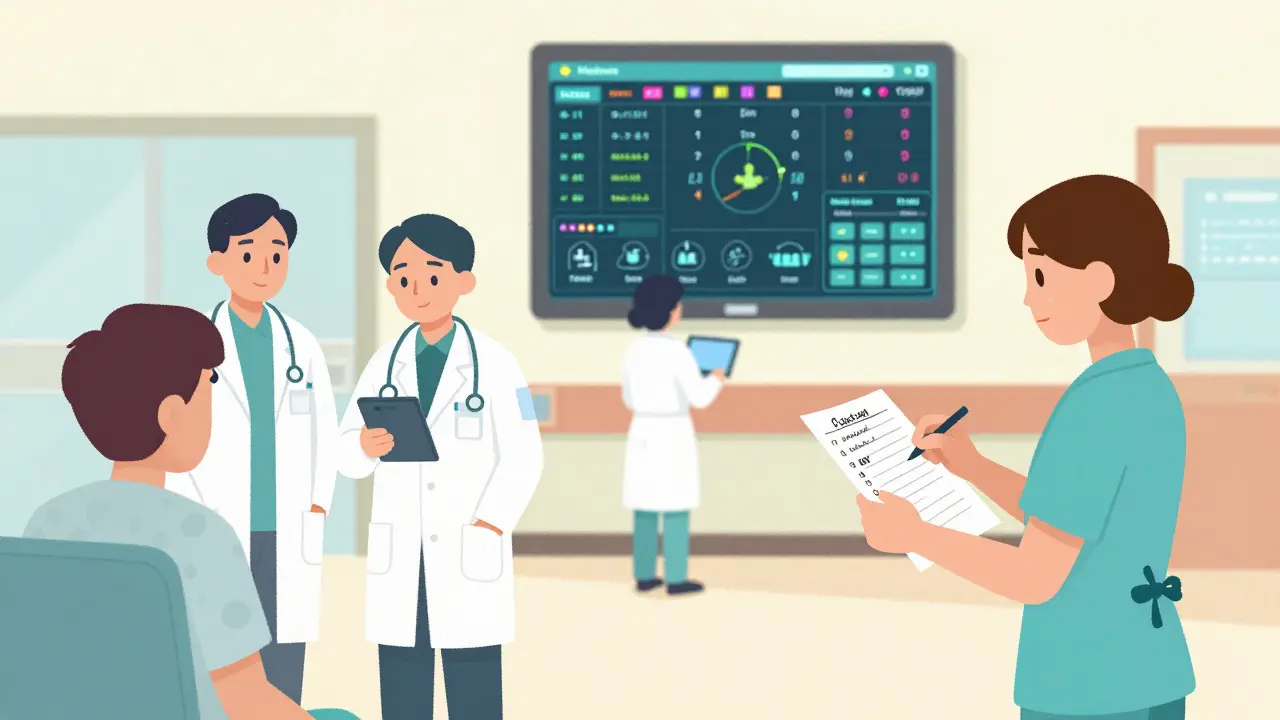
Even with all this technology, mistakes still happen - often because of human factors.One major issue: alert fatigue. Electronic health records are flooded with drug interaction warnings. In one emergency department study, prescribers ignored 89% of alerts. Why? Too many false alarms. A warning for a low-risk interaction on a commonly prescribed drug? Doctors learn to click past it. That’s dangerous.
Another problem: fragmented systems. Nurses report that poor communication between departments leads to near-miss errors - like a patient getting two drugs that shouldn’t be mixed, because one was ordered in the ER and another in the ward. Sixty-eight percent of nurses say they see these errors weekly.
And then there’s the silent killer: polypharmacy. One in three adults over 65 takes five or more medications daily. That’s a recipe for interactions. In 2022, over 80,000 Americans died from opioid-related overdoses. Many of those cases involved multiple drugs - painkillers, sedatives, antidepressants - all layered together without proper oversight.
What’s Working
There are bright spots. At Kaiser Permanente, a standardized protocol for treating alcohol withdrawal with phenobarbital cut severe withdrawal events by 42% across 12 hospitals. That wasn’t luck. It was evidence-based protocol design.Another win: medication decision intelligence (MDI). This isn’t just alerts. It’s AI that looks at a patient’s full history - allergies, kidney function, other meds - and suggests safer alternatives. One study showed MDI could reduce adverse drug events by up to 30%.
And in Iran, a 2023 study found that nurses with higher medication safety training delivered significantly safer care. Their competence explained 61% of the variation in safe practices. Training matters.
The Future: AI, Wearables, and Standardization
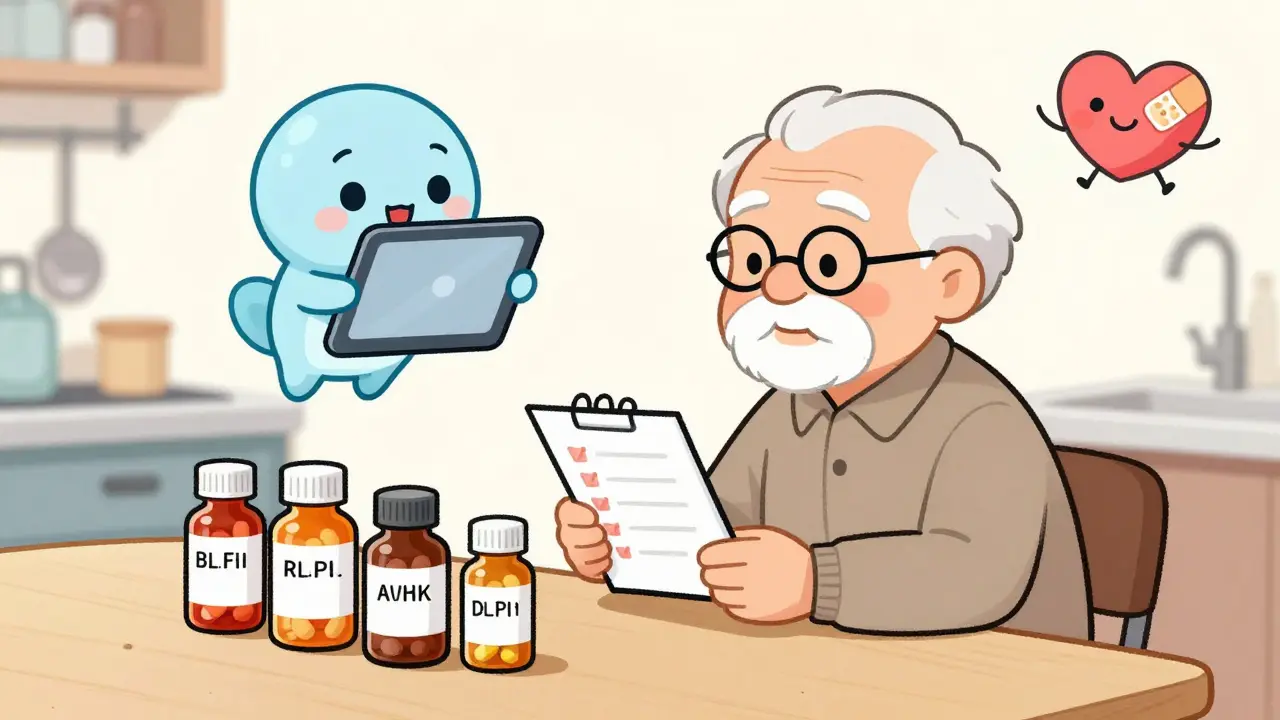
The next wave is coming fast. The FDA plans to use data from smartwatches and fitness trackers to detect unusual heart rhythms or dizziness patterns that might signal a drug reaction. Imagine a patient’s device alerting their doctor before they even feel sick.But challenges remain. Data privacy is shrinking. A 2023 Supreme Court decision weakened HIPAA protections for certain research uses. And compounded medications - custom mixes made by pharmacies - are barely monitored. The Government Accountability Office flagged this as a major gap in 2024.
There’s also a lack of standardization. Every research team uses different methods to define an adverse event or adjust for confounding. One study might call a drop in blood pressure a reaction; another might ignore it. That makes it hard for regulators to compare results.
The International Society of Pharmacoepidemiology is working on fixing that. Their 2024-2026 plan aims to create universal protocols for observational studies. If they succeed, we’ll get clearer, more reliable safety signals.
What You Can Do
You don’t need to be a researcher to protect yourself. Here’s how:- Keep a written list of every medication you take - including supplements and over-the-counter drugs. Bring it to every appointment.
- Ask your doctor: "What’s the most important benefit? What’s the biggest risk? Are there safer alternatives?"
- Don’t ignore side effects. Report them. Use the FDA’s MedWatch system or ask your pharmacist to file a report.
- Use one pharmacy for all your prescriptions. That way, their system can flag dangerous combinations.
- If you’re over 65 and take five or more drugs, ask for a medication review. Many insurers cover it.
Medication safety isn’t just about regulators and labs. It’s about you - the person taking the pill. The science gives us tools. But we still need to use them wisely.
How are adverse drug events detected after a drug is approved?
After approval, adverse drug events are tracked using large real-world databases like Medicare claims, electronic health records, and the FDA’s Sentinel Initiative. These systems analyze patterns across millions of patients to spot unusual side effects. Methods like self-controlled case series compare each patient’s health before and after taking a drug, helping isolate true drug-related reactions. Reports from doctors, patients, and pharmacists also feed into the FDA’s Adverse Event Reporting System.
Why are observational studies important in medication safety?
Observational studies look at how drugs behave in real life - not just in controlled trials. They can track thousands of patients over years, making them essential for spotting rare side effects that only show up in 1 in 10,000 people. They’re also cheaper and faster than running new clinical trials. While they can’t prove cause-and-effect like randomized trials, they provide the real-world context that trials can’t.
What’s the difference between a REMS and a drug recall?
A REMS (Risk Evaluation and Mitigation Strategy) is a plan to manage known or potential serious risks of a drug while keeping it on the market. It might require special training for prescribers, patient education, or restricted distribution. A recall, on the other hand, means the drug is pulled from the market entirely because the risks outweigh the benefits - usually after serious harm has already occurred. REMS aim to prevent harm; recalls happen after it’s too late.
Can AI really help prevent medication errors?
Yes. AI-driven systems called medication decision intelligence (MDI) analyze a patient’s full medical history - including allergies, lab results, and other meds - to predict dangerous interactions before they happen. Early results show these tools can reduce high-alert medication errors by 22-35%. But they only work if alerts are smart and not overwhelming. Too many false alarms lead to alert fatigue, which is why the best systems learn from clinician behavior and prioritize only the most critical risks.
Why do so many older adults have medication-related problems?
Older adults are more vulnerable because their bodies process drugs differently, and they often take multiple medications - an average of five or more daily. This increases the risk of interactions and side effects. Many are prescribed drugs for chronic conditions like high blood pressure, diabetes, or arthritis, which require long-term use. Plus, cognitive decline or memory issues can lead to missed doses or double dosing. Studies show 15% of Medicare beneficiaries experience an adverse drug event each year, many of which are preventable.
How can patients help improve medication safety?
Patients can keep an up-to-date list of all medications - including supplements and OTC drugs - and share it with every provider. Ask questions: "Why am I taking this?" "What are the risks?" "Is there a safer option?" Use one pharmacy to catch interactions. Report side effects to your doctor or through the FDA’s MedWatch system. And if you’re on five or more meds, request a medication review - many insurers cover it. Your involvement makes the system safer for everyone.
Medication safety isn’t perfect. But it’s getting better - thanks to data, better tools, and people who refuse to accept avoidable harm.


Write a comment