
SGLT2 Inhibitors: How They Work, Side Effects, and What You Need to Know
When you have type 2 diabetes, your body struggles to manage blood sugar. SGLT2 inhibitors, a class of diabetes medications that help the kidneys remove excess glucose through urine. Also known as gliflozins, these drugs don’t rely on insulin to work—instead, they block a protein in your kidneys that normally reabsorbs sugar back into your blood. This simple trick lowers blood sugar naturally and consistently. Unlike older diabetes pills, SGLT2 inhibitors also reduce your risk of heart failure and slow kidney damage—two big problems for people with diabetes.
They’re often used with metformin, the first-line diabetes drug that reduces liver sugar production and improves insulin sensitivity. Together, they tackle diabetes from two angles: metformin cuts sugar at the source, while SGLT2 inhibitors flush out what’s left. Many patients get better control without weight gain or low blood sugar crashes. But they’re not magic. Common side effects include urinary tract and yeast infections because sugar in the urine creates a breeding ground for bacteria. If you’re prone to these infections, talk to your doctor before starting. Also, if your kidney function drops below a certain level, your doctor may need to adjust or stop the dose—this is why kidney function, measured by eGFR, is routinely checked when using these drugs.
These medications are also linked to lower blood pressure and weight loss, which is why they’re now recommended not just for diabetes, but for people with heart failure or chronic kidney disease—even if they don’t have diabetes. That’s a big shift from just a decade ago. What’s more, they’re often covered by insurance as generics, making them one of the more affordable options with real benefits beyond blood sugar. But they’re not for everyone. If you’re dehydrated, have a history of diabetic ketoacidosis, or are planning surgery, your doctor may hold off.
You’ll find posts here that break down exactly how to adjust these drugs if your kidneys aren’t working well, how they compare to other diabetes meds like GLP-1 agonists, and why some people get yeast infections while others don’t. We also cover real-world dosing rules, insurance tips, and how to spot early warning signs of side effects before they become serious. Whether you’re newly diagnosed or have been on these drugs for years, the information below is meant to help you understand what’s happening in your body—and what to ask your doctor next.
SGLT2 Inhibitors for Type 2 Diabetes: What You Need to Know About Benefits and Risks
Posted by Ellison Greystone on Feb, 1 2026
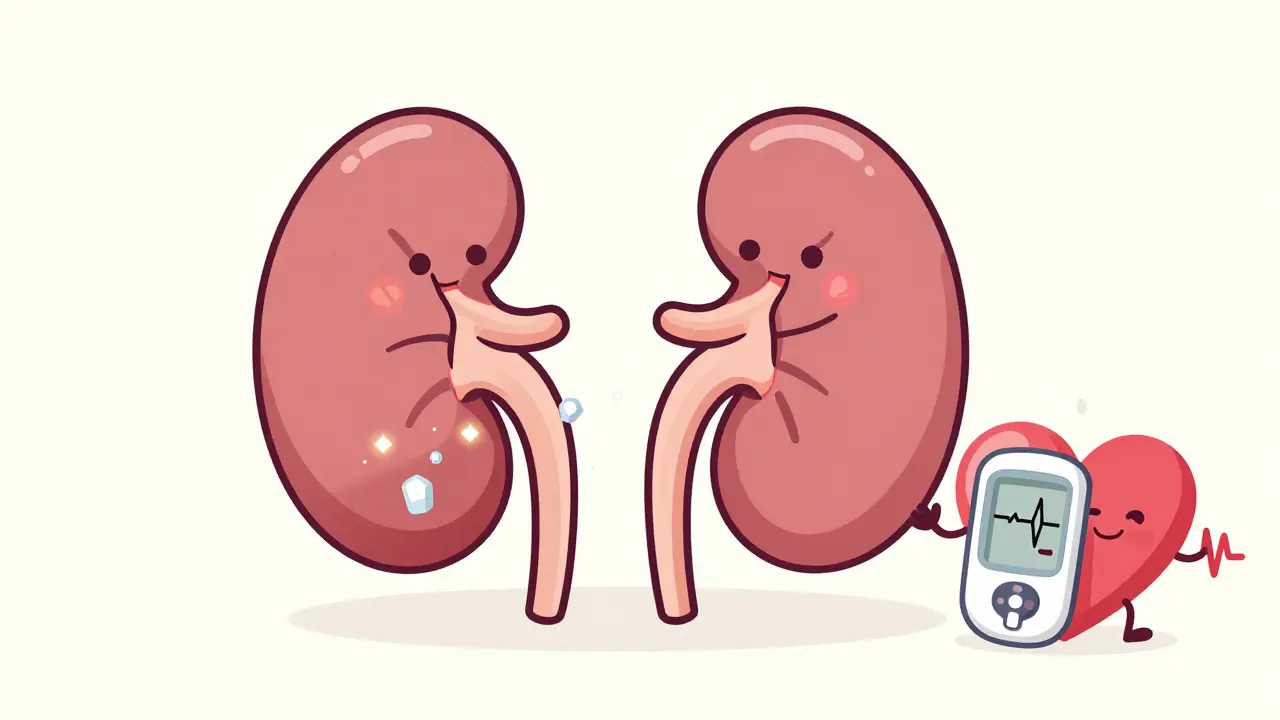
SGLT2 inhibitors like Jardiance and Farxiga lower blood sugar while protecting the heart and kidneys. Learn how they work, who benefits most, and the real risks including yeast infections and ketoacidosis.
Heart Failure Management: From Diagnosis to Living Well
Posted by Ellison Greystone on Nov, 28 2025

Heart failure management has transformed with new guidelines, quadruple therapy for HFrEF, and life-changing SGLT2 inhibitors for HFpEF. Learn how diagnosis, monitoring, and personalized care help patients live longer and better.